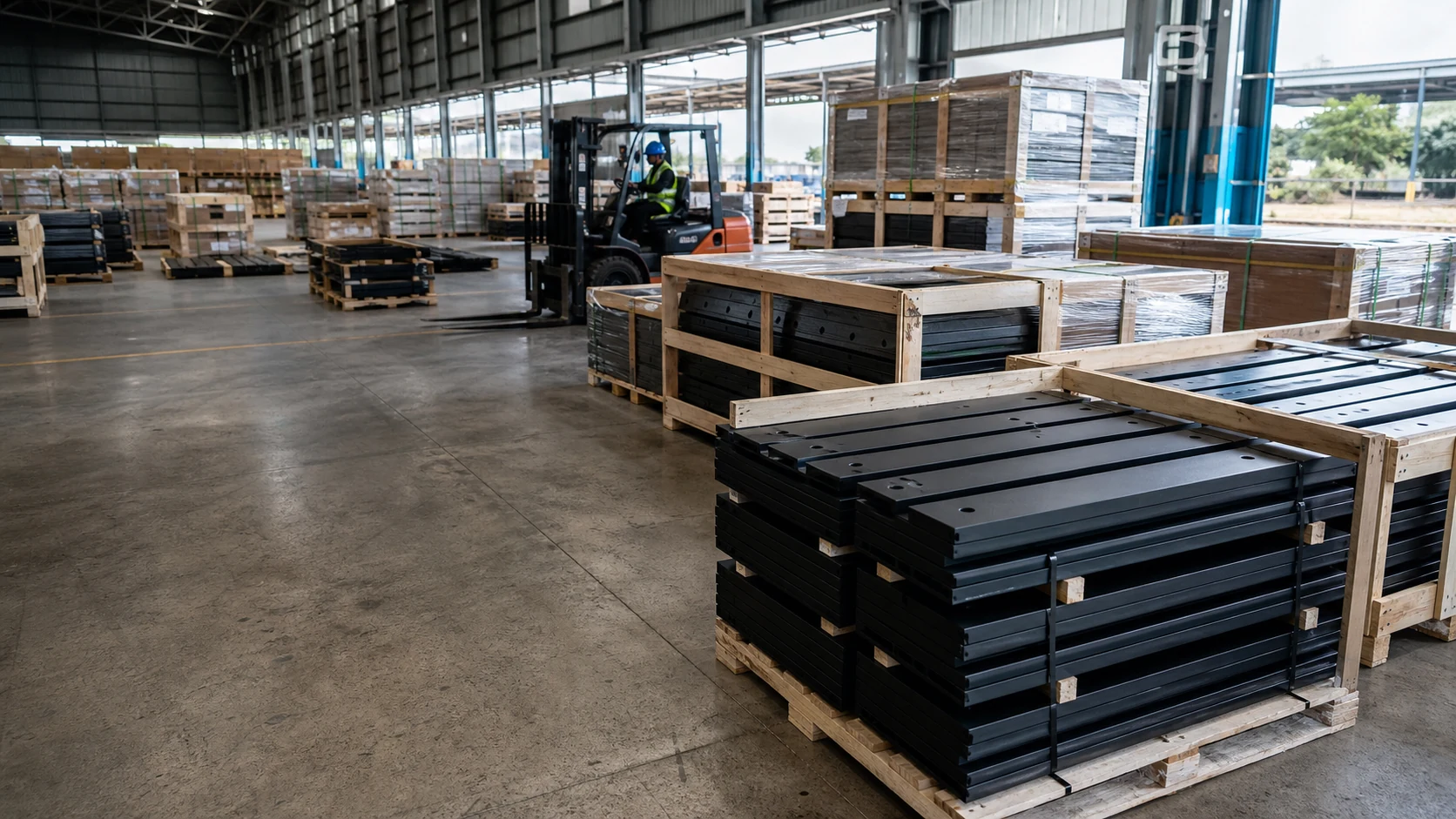
Pause issue from the mixed bin and identify the actual pieces against controlled records. Separate confirmed revisions from unresolved items, then give each a clear issue status. Changing the bin label alone does not establish which revision a blade is or whether the older version remains approved for a particular machine.
Identify each item against controlled records and physical features
Bring together the two order histories, receiving records, supplier part references and applicable drawings. Ask the technical owner which documented features distinguish the revisions. Some changes may be visible; others may concern material or manufacturing details that cannot be established by appearance. Use measurements only where the drawing and agreed method make them meaningful. A visual resemblance is a clue for investigation, not a release decision.
Map each supported identification back to the evidence that establishes it. If a label survives on an inner bundle, record which pieces were actually kept within that bundle rather than extending its identity across the entire shelf. Note where mixing has made the original relationship uncertain. The wider blade inventory planning discussion covers stock exposure; this exercise first needs a defensible answer to what is physically present.
Segregate confirmed revisions from unresolved stock
Create distinct locations or containers for the confirmed revisions and a separate holding location for unresolved stock. Keep quantity, part reference, revision and disposition together. Do not put the unresolved group into the older category simply because the recent delivery count can be accounted for. That reasoning assumes the older contents were correct before the mix occurred, which may not be established.
Arrange a reconciliation with the supplier where the documents do not identify a reliable distinguishing feature. Provide photographs and recorded references, while explaining that the pieces were mixed. Ask whether further authorized inspection can resolve identity. If it cannot, have the responsible owner decide the next disposition; stores staff should not create an engineering conclusion to make the stock totals balance. Preserve the original bin history and the sorting record rather than overwriting them with a tidy but unsupported revision assignment.
Update issue controls so an older approved part is not assumed interchangeable
A confirmed older revision may still be usable, restricted or superseded; the revision date alone does not decide. Obtain the documented application or interchangeability decision and attach it to the issue record. Where use is limited to a named configuration, make that limitation visible before the picker selects the part. Avoid a shared description that sends both revisions to every job carrying the same generic blade name.
Update the purchasing code and receipt controls so a future delivery cannot recreate the mixture. The blade product enquiry should identify the required revision and ask how it will be distinguished at delivery. Check open workshop reservations against the corrected stock, because a quantity previously shown as available may now be unresolved or unsuitable. Close the incident with a count by revision and status, an approved list of supported applications, and a clear owner for maintaining that distinction when another change arrives.
WESTERN provides model-specific documentation. WESTERN documents ↗



