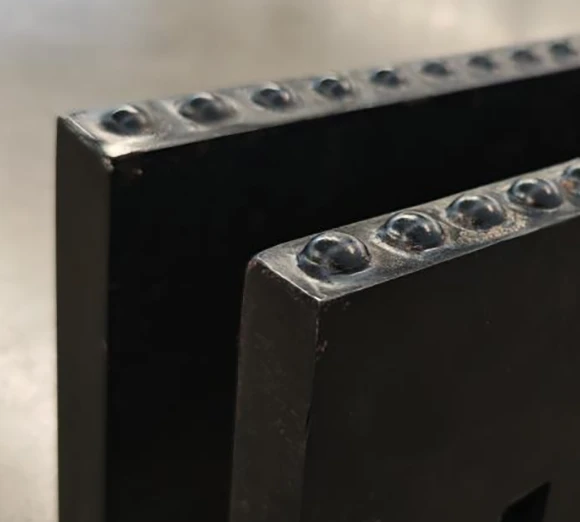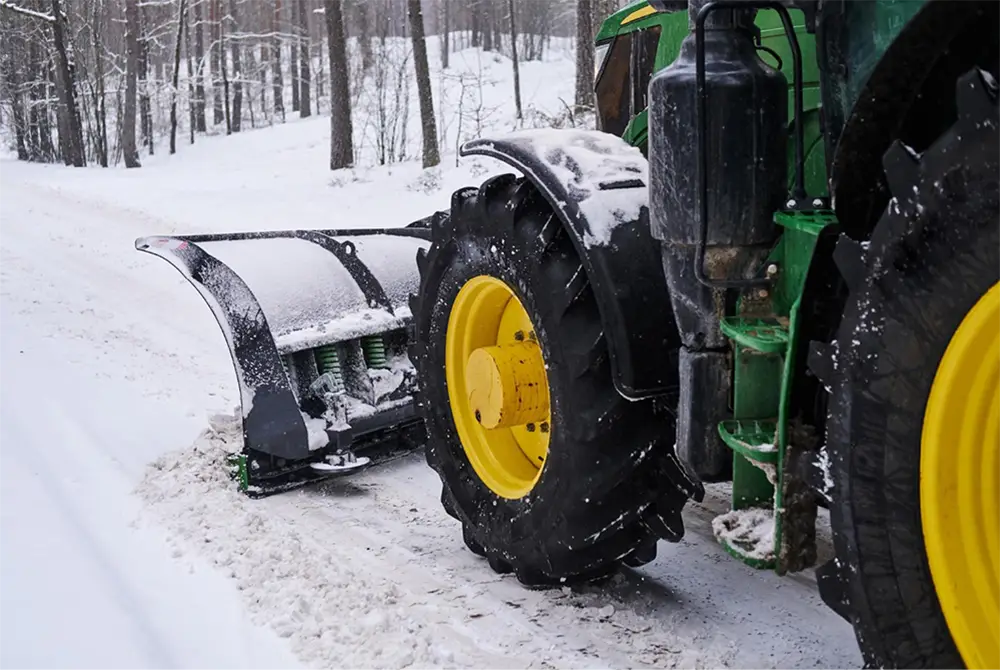
Usually the photograph should be an identification aid, with the ordered characteristics defined separately. It cannot show every dimension, material, interface or included component. If a visible appearance feature matters, state it explicitly and agree how it will be assessed rather than assuming the whole photograph is a complete specification.
Identify the hidden dimensions, material and assembly details a photo omits
List what the picture shows and what it leaves unresolved. Visible outline, colour and apparent component arrangement may help identify a product family. Thickness, hole geometry, material designation, hidden joints and tolerances need other evidence. Do not estimate controlled dimensions from image proportions.
Ask whether the image depicts the exact quoted configuration or is representative. The technical-pack guide explains the broader enquiry package; the narrow question is how to stop a useful picture being asked to carry requirements it cannot define. A catalogue model reference can help locate documents but should not replace them.
Attach the controlled drawing and explicit ordered characteristics
Attach a controlled drawing or other agreed technical description containing the ordered features and revision. Confirm the assembly and hardware scope, material requirements and inspection evidence. Identify any configuration-specific OEM documents needed for the intended interface without implying universal compatibility from visual similarity.
For visible requirements such as a label position or agreed finish, specify the relevant detail and a suitable reference. Do not make incidental lighting, shadows or photographic colour variation into acceptance limits. If a visual reference is used, define its purpose and how conflicts with the drawing will be resolved.
Ask the supplier to acknowledge the actual specification, not merely the image filename. If essential details remain unknown, request clarification or a proposed drawing for review. Buying against an attractive photograph can leave both parties with different assumptions even when neither intended to change the product.
Use the image for identification only unless specific visible requirements are separately agreed
Keep the image in the release pack only with a clear status: identification reference, agreed appearance reference or another defined role. Name the controlling documents and avoid a bundle in which the photograph and drawing imply different configurations without explanation.
For the snow-plow blade enquiry, carry the agreed identifiers into the quotation and receiving record. If the supplier changes its catalogue image later, that should not silently change the ordered blade. Conversely, approval of a photograph should not be presented as evidence that the hidden characteristics were inspected.
The order is ready when the buyer can describe the supplied configuration and verify its important requirements without guessing from pixels. Where a photograph reveals a discrepancy at delivery, use it alongside the actual specification and qualified review. It can support a question, but it should not be the only basis for a technical acceptance conclusion.
WESTERN publishes model-specific technical documents. WESTERN official document library ↗