Yes, but give the emergency requirement its own line, quantity, required date and equipment configuration. Keep the annual programme separately identified. Urgent timing may change delivery or commercial choices; it should not silently change the technical specification or create a permanent exception for future orders.
Define the urgent quantities and equipment-specific constraints
Identify the exact equipment and approved blade configuration for the immediate replacement. State the urgent quantity, delivery destination and the date needed for the buyer’s decision. Distinguish a requested date from a supplier-confirmed commitment, and ask which stock or production route can support the offer.
Keep the annual forecast, order quantity and planned delivery windows separate. The winter tender-calendar guide provides longer-term planning context; the narrow task here is to stop an emergency line from distorting the standard supply programme. A common RFQ document can still contain clearly different commitments.
Keep temporary commercial timing separate from technical acceptance requirements
Use the same controlled technical basis unless an authorized reviewer approves a specific alternative or deviation. If urgency prompts a proposal for a different blade, hardware arrangement or material, show it as a separate option with its unresolved evidence. Do not describe “available now” as technical suitability.
List the acceptance documents and checks needed for the emergency delivery. Ask what can realistically be completed and when. If a requirement cannot be met on the desired schedule, refer that conflict to the responsible authority instead of letting the delivery request imply a waiver.
Compare expedited freight, split deliveries or existing approved stock using actual supplier offers. Avoid assumed savings or penalties. The commercial reviewer should see the cost and schedule of the urgent solution alongside, but not blended into, the annual programme pricing.
Record any approved exception without silently changing future repeat-order specifications
Record the selected emergency scope and any authorized exception with its exact quantity and expiry or completion boundary. State that the normal programme remains governed by its controlled specification unless separately revised. Keep an exception reference on the urgent order so it cannot be copied into the next repeat purchase unnoticed.
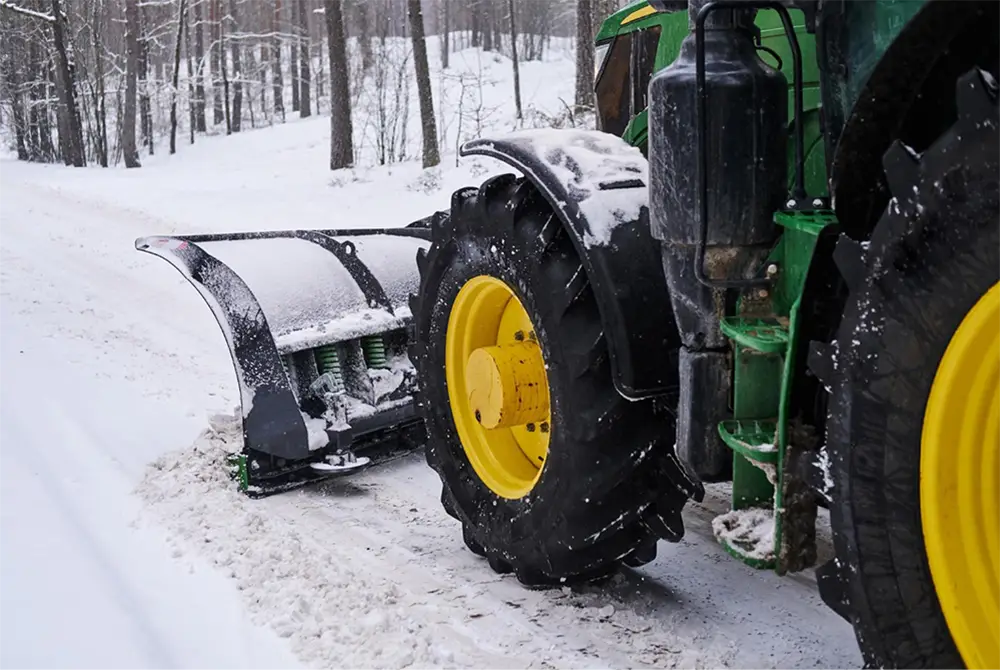
For the snow-plow blade RFQ, ask the supplier to acknowledge the emergency and annual lines separately, including their delivery dependencies. Receiving should know which evidence and approval apply to each shipment. A partial delivery should not be mistaken for completion of the broader programme.
After the urgent requirement is resolved, reconcile remaining quantities and return to the planned order process. The practical success is a usable replacement supplied through an explicit decision, with the annual programme still clear. It is not simply a fast shipment whose technical assumptions become invisible once the immediate pressure has passed.
WESTERN provides configuration-specific installation and parts references. WESTERN official document library ↗



