Ask for the exact proposed grade and the evidence behind the equivalence claim. Keep the technical offer unresolved until the responsible reviewer can compare it with the specified requirement. “Equivalent” is a conclusion that needs a defined basis, not a substitute for identifying the material being offered.
(Last modified date: November 12, 2026)
Request the exact proposed grade and the basis of equivalence
Request the manufacturer or controlled grade designation, supplied condition where relevant, and the specification against which equivalence is claimed. Ask whether the quotation proposes an exact ordered grade, an approved alternative or a new substitute. These should not share the same vague wording.
Use the carbide grade cross-reference guide for broader cross-reference interpretation. This case is narrower: the reviewer cannot assess an unnamed proposal. A commercial promise to provide equivalent material later leaves the actual selection outside the buyer’s visible approval process.
Compare required properties and methods with the base specification
Create a comparison against the required characteristics and test methods. Ask the supplier to show evidence for each applicable requirement and identify any differences or missing information. Do not choose a single impressive number and treat it as proof of whole-grade equivalence.
Have the technical authority assess relevance to the blade design, manufacturing route and application. A property comparison may be necessary without being sufficient for every change. If a representative sample or additional verification is needed, record that dependency before claiming the offer is fully compliant.
Respect legitimate confidentiality while keeping the required evidence available. The buyer may not need a complete proprietary recipe, but it does need enough information to judge the agreed specification. If a mandatory requirement cannot be verified, refer that gap to the procurement authority rather than quietly replacing it with a supplier assurance.
Keep the offer technically unresolved until the substitution is reviewed
Ask for a revised quotation naming the material and the approved or pending status of any substitution. If the alternative is accepted, tie the decision to the exact designation, evidence and affected order scope. Do not approve an open category of “equivalent grades” unless that broader permission has been explicitly defined and authorized.
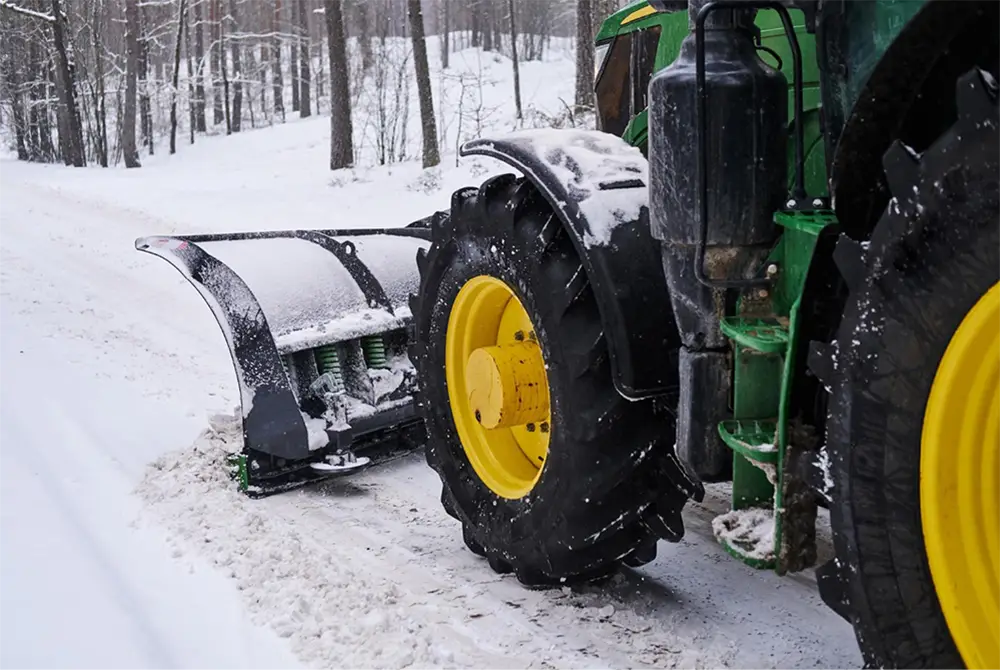
For the snow-plow blade material enquiry, carry the material reference into the order acknowledgement and required lot documentation. A later supply change should return through the agreed review process rather than disappearing under the original equivalence phrase.
Close the query when the offered material is identifiable and the reviewer can explain why it meets the applicable requirements, or why it remains unacceptable or unresolved. The aim is a supportable decision about one proposed material, not a universal equivalence chart or a promise that matching laboratory properties guarantees identical service life.
When a supplier says it can match a competitor’s carbide grade
Two quotes arrive for the same insert: one names a grade and attaches its data sheet, the other says “equivalent to your current grade”. Only the first can be reviewed. Suppliers that match competitor carbide grades legitimately will name their own grade and show the comparison against the properties your specification controls.
- Ask for the supplier’s grade designation and data sheet.
- Ask which properties were matched (for example binder content, grain size class, hardness, density) and by which test method.
- Ask for a sample lot or trial quantity with lot documents before any full order.
- Record the approved grade on the purchase order and the order acknowledgement.
For insert products, the carbide inserts page shows how SENTHAI states grade and lot information on an order.
FAQ
Can a supplier match a competitor’s carbide grade?
Often a supplier can offer a grade with similar controlled properties, but it should name its own grade, show the comparison and test methods, and support it with a trial lot. An unnamed “equivalent” cannot be reviewed.
What should a quote say instead of “equivalent carbide grade”?
The exact proposed grade designation, the specification it is compared against, the evidence for each required property, and whether it is an approved alternative or a new substitution pending review.
CERATIZIT identifies binder content and grain size as property factors. CERATIZIT Cemented Carbide ↗



