Review the changed packing scope separately from the blade’s technical approval. Identify what changes in protection, handling and identification, and check applicable destination requirements. A blade can remain unchanged while its new packaging alters how it reaches receiving or how reliably the shipment can be identified.
Identify changed protection, handling and identification features
Ask for the current and proposed packing descriptions, including materials, layout, protection, securing arrangement and labels. Request a representative proof or clear specification where needed. Do not assume a different pallet footprint is the only change if component separation or protective materials also differ.
Identify the reason for the proposal and the shipments affected. The shipment-documentation guide covers the wider document pack; this case concerns a packing revision after approval. Keep it distinct from a material or drawing change to the blades themselves, while checking any interaction that qualified reviewers identify.
Assess transport and receiving risks separately from part geometry
Have the appropriate logistics and technical personnel assess protection of exposed edges and inserts, movement within the pack, safe handling and the visibility of identifiers. Ask how the receiving team will access the agreed inspection samples without losing lot separation. Do not prescribe loading capacities or securing methods without the relevant qualified assessment.
Check destination-specific requirements with the responsible importer or logistics adviser. For US-bound regulated wood packaging, use the linked APHIS guidance; do not assume its rules are a universal requirement for every material or destination. Confirm the actual packaging type and current applicable requirements before shipment.
Review whether the change affects package count, dimensions, weight information or shipping documents. Use the supplier’s confirmed data rather than estimating commercial effects. A packing change can require an updated freight arrangement even when the part price remains unchanged, so keep that dependency visible.
Approve the revised packing specification and any destination-specific requirements
Approve the revised packing specification through the responsible purchasing and logistics process. Identify the version, affected orders and any verification needed before dispatch. If the proposal remains unresolved, keep the previously approved scope clear rather than allowing silence to select the new option.
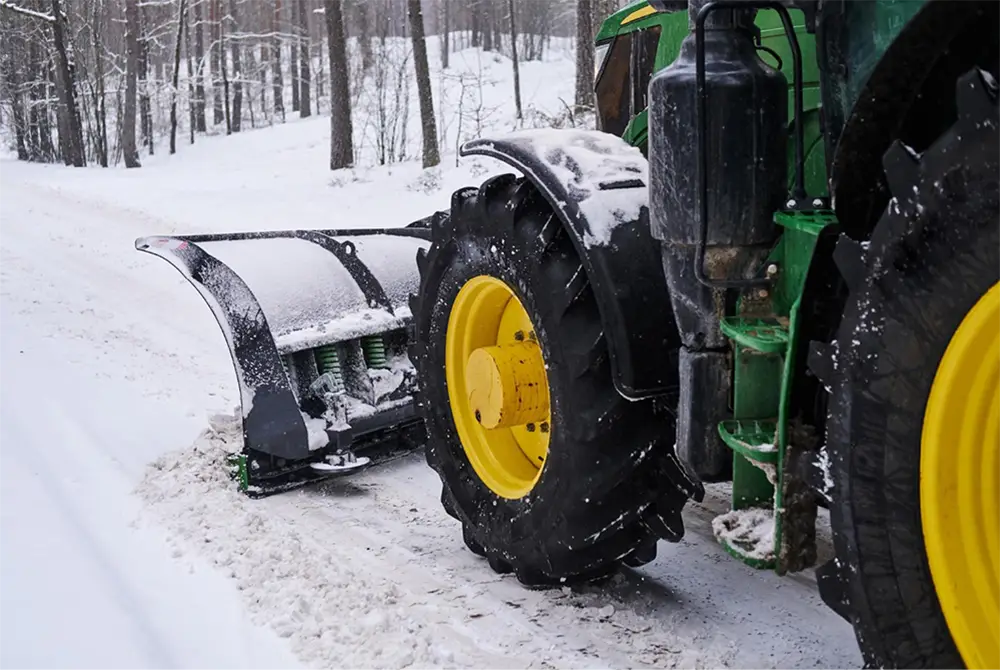
For the snow-plow blade packing request, align the packing list, labels and receiving instructions with the approved arrangement. Ask the supplier to retain the identity links when several lots or variants share a package. A different physical layout should not conceal which evidence covers which pieces.
At receipt, compare the actual packing with the approved revision and record discrepancies before dismantling where practical. Close the change when the agreed protection, handling and identification requirements have been addressed. The purpose is a usable delivery plan, not a claim that sample packaging approval guarantees every shipment will arrive undamaged.
APHIS specifies treatment and marking requirements for regulated wood packaging entering the United States. APHIS Import ISPM15-Compliant Wood Packaging into the US ↗



