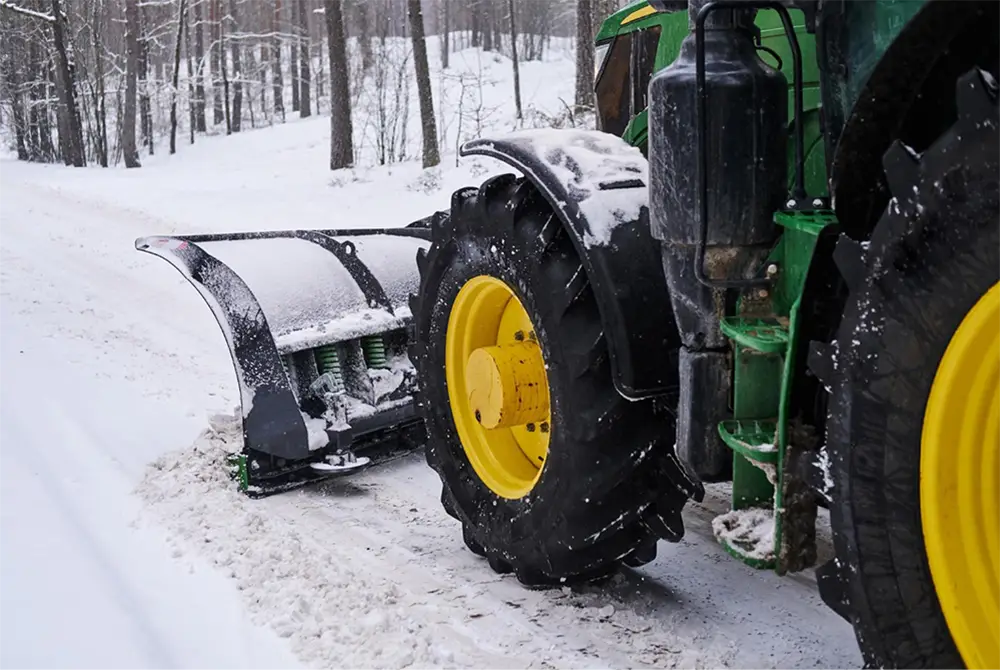
Describe the damage and ask how the supplier will assess it under the actual written terms. Broken inserts are an observation, not a proven cause or automatic coverage decision. Keep technical investigation, warranty interpretation and the requested remedy separate so each can be addressed with the right evidence.
Separate observed damage from any unproven defect allegation
Preserve the blade identifiers, photographs, installation record and relevant operating history. Record when the damage was observed and what is known about the conditions, without claiming a manufacturing defect or misuse unless qualified investigation supports it. Follow the applicable safety procedure before handling or returning damaged equipment.
Retrieve the warranty version and purchase terms that apply to the order. The warranty-value guide discusses broader commercial value; this case concerns a specific claim with an exclusion that needs careful interpretation. Do not rely on a current marketing summary if the order used different terms.
Ask the supplier how its written terms distinguish investigation and remedies
Ask the supplier which information it needs to investigate the observed breakage, who will review it and whether inspection or return authorization is required. Clarify how it distinguishes ordinary wear, damage and a potentially covered defect under its written terms. Request a reasoned response tied to those terms rather than a generic statement that blades are wear parts.
Keep any notice deadlines, return conditions or other stated requirements visible to the contract owner. This editorial workflow does not determine legal coverage or override a deadline. Where the terms or rights are disputed, seek contract-specific advice through the responsible buyer.
Do not repair, discard or destructively test the part before the evidence and proposed inspection are agreed where preservation is needed. Equally, do not keep unsafe equipment in use to gather more evidence. Technical safety decisions should follow the responsible maintenance authority, independent of the commercial claim.
Retain technical evidence and seek contract-specific advice where needed
Submit a concise case file stating the observation, affected quantity, supporting records and requested next step. Ask for the investigation plan or written disposition and its basis. A supplier may investigate without admitting coverage, and a proposed goodwill remedy may not establish root cause; record those distinctions accurately.
For the snow-plow blade claim enquiry, link the final response to the order and part identities. If replacement, credit, return or another remedy is agreed, document its exact scope and any required authorization. Do not describe the claim as resolved merely because a replacement discussion has begun.
Close the file when the technical findings, coverage decision and agreed commercial action are clear, or when the appropriate escalation path has been chosen. The useful question is not whether broken inserts are universally covered. It is what the actual agreement and supported evidence mean for this identified order and incident.
Further reading. Clear Roads High Performance Blade Evaluation ↗



