Yes. Consolidate the purchasing document while keeping each configuration a separate controlled line. Give every variant its own drawing reference, quantity and acceptance scope. Similar appearance and combined volume should not imply that the parts are interchangeable or that a sample of one approves the others.
Assign each configuration a distinct line and controlled drawing
Create a variant schedule with a stable line identifier, customer part number, drawing revision and quantity. Include the intended equipment configuration where needed to clarify the interface. Do not rely on descriptions such as short, long or standard if those terms do not uniquely identify the hole pattern.
Attach the correct drawing to each line and check the file names against the schedule. The RFQ preparation guide describes the wider RFQ structure; this case is about preserving configuration boundaries inside one buying exercise. A single cover email can still contain several distinct technical requirements.
State quantities and sample or inspection requirements by variant
Ask the supplier to quote each variant and any proposed consolidated pricing clearly. If a common manufacturing assumption is used, request that it be stated without replacing the individual drawings. A quantity discount across variants is a commercial arrangement, not proof of technical equivalence.
Define sample and inspection requirements by variant. The technical authority may decide which evidence can be shared and which needs separate verification. Do not assume a fit check on the most common pattern covers a less common one with a different offset or hole arrangement.
Agree identification and packing so the variants remain distinguishable after delivery. Include customer-to-supplier code mapping where the numbering systems differ. If the supplier proposes one generic SKU, ask how the selected configuration will remain visible through acknowledgement, manufacture and receiving.
Allow consolidated buying without implying interchangeability
Review the quotation line by line before comparing the combined total. Check quantities, drawing references, included hardware and any exceptions. Mark an unanswered variant as unresolved instead of accepting a general statement that all patterns are covered.
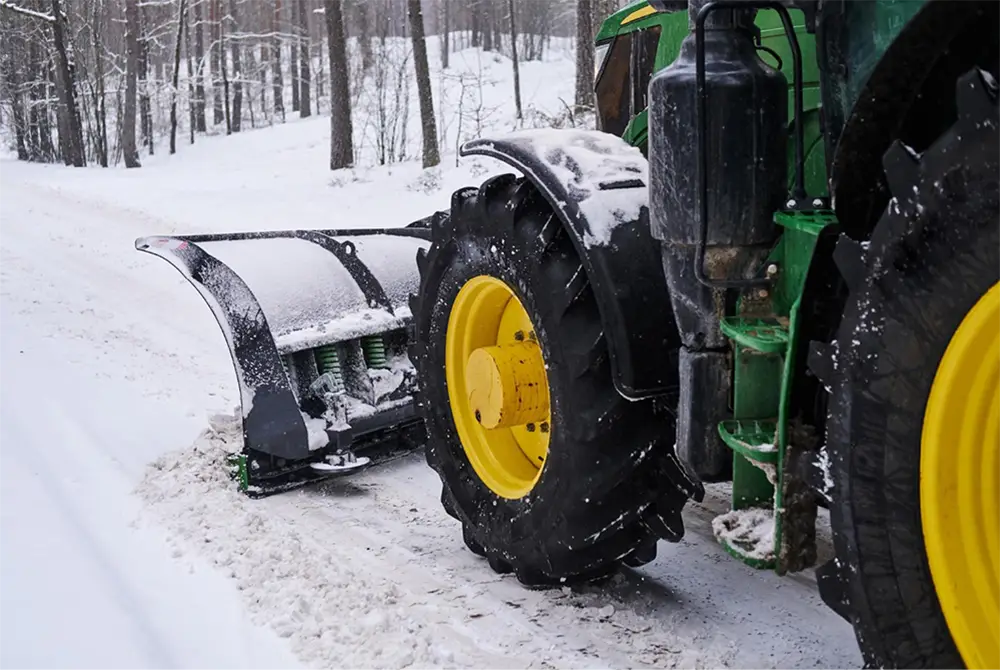
For the snow-plow blade variant enquiry, carry the approved variant schedule into the purchase order and packing instructions. If quantities change later, update the affected line explicitly and confirm whether the commercial consolidation still applies. A revised total should not silently redistribute pieces between patterns.
At release, each line should have a clear technical basis and evidence requirement. At receiving, each package should map back to that line. The benefit of a combined RFQ is simpler coordination and potentially better commercial scope, while the control remains precise enough that a similar-looking blade cannot be substituted for the wrong machine.
WESTERN supplies documentation for identified equipment configurations. WESTERN official document library ↗



