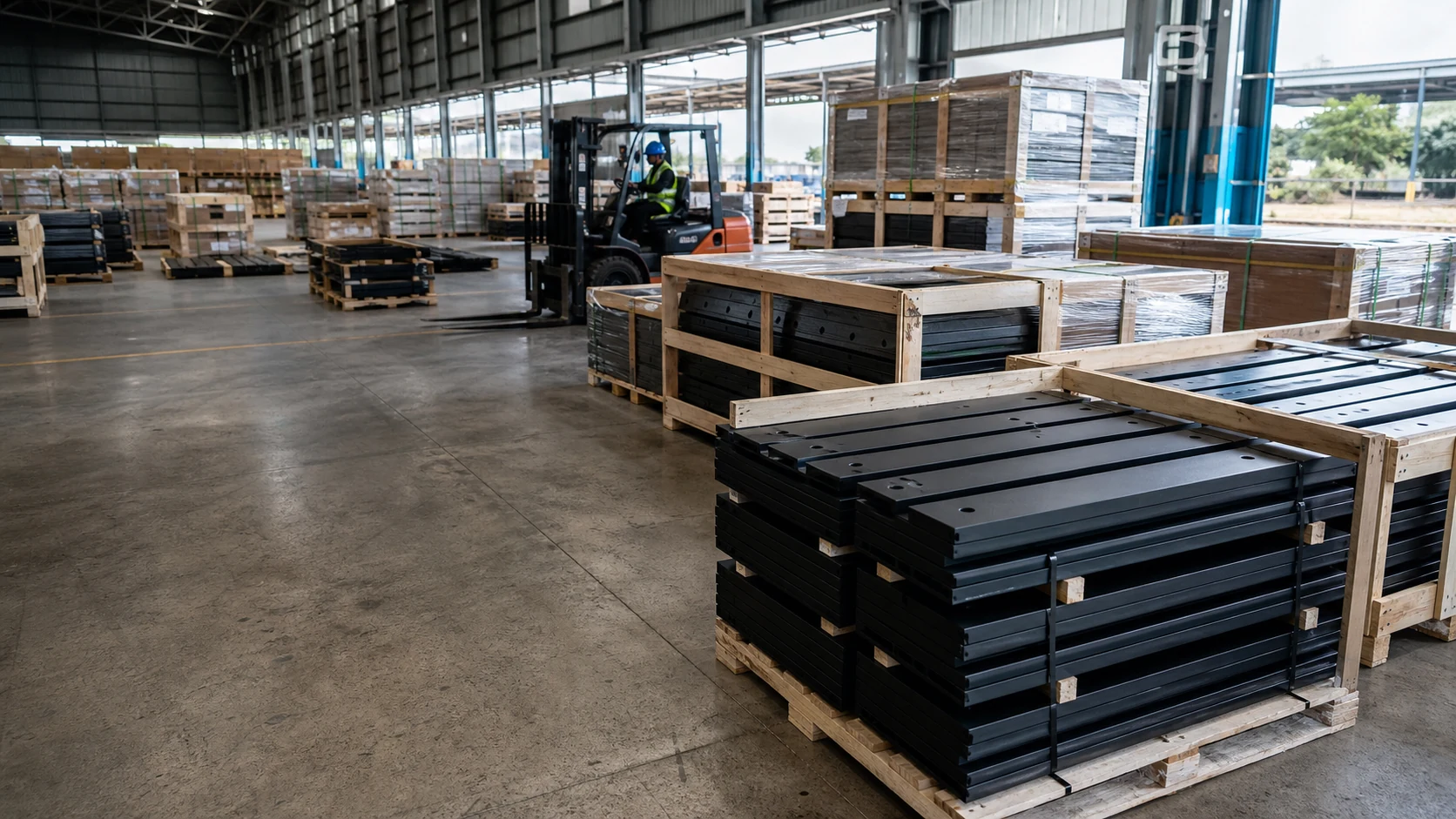
Create a separate used-stock status and require a documented assessment before any reissue. Removal does not automatically mean scrap, but a blade that looks usable should not enter the new-stock pool. Keep its identity, service history, assessed condition and permitted application visible so the next issue is a deliberate technical decision.
Require a documented condition and application assessment for used parts
Identify each returned blade or supported group and connect it to the machine or work order from which it was removed. Record why it came off, including whether removal was scheduled, associated with damage or simply part of another maintenance job. If history is incomplete, preserve that limitation. A clean appearance after removal cannot establish an unused condition or fill gaps in the service record.
Arrange assessment by the qualified owner using the applicable requirements and equipment documentation. The end-of-season assessment guide covers the broader reuse decision; the immediate warehouse task is to stop an unassessed return from being mistaken for a released spare. Separate pending assessment from confirmed reusable stock so the system does not offer both to the workshop under the same availability status. Do not create a universal remaining-life allowance for every used edge.
Record remaining condition, prior service and any restrictions
The assessment record should identify what was checked, the condition found and the decision made. Where measurements support the decision, retain their locations and method so later comparisons refer to the same features. Record any application limitation or additional check required before use. A conclusion that a part may be retained for a named purpose is different from an unrestricted statement that it is serviceable.
Keep the prior service and assessment references attached to the physical stock location. Use clear labels or records that distinguish used, assessed stock from new stock without implying a manufacturer's requalification that has not occurred. If preparation or refurbishment is proposed, have it separately approved through the appropriate technical process. Do not hide that intervention inside a change of warehouse description. The final status should tell the next person what evidence supports issue and what remains conditional.
Give used parts a distinct stock status so issue decisions are deliberate
When a workshop requests a part, present the available new and approved used options as distinct choices. Check that the used option's documented application and condition meet the job requirements. Record which item was issued and retain its existing history; starting a new blank record would make later service-life observations misleading. If a used blade returns again, add that movement and service interval rather than treating it as a first return.
For new blade supply planning, separate confirmed reusable quantities from items awaiting assessment and from new stock already reserved. This gives purchasing a defensible view of the shortfall without assuming every removed blade will be reusable. Periodically check that labels and system statuses still agree, especially after workshop returns. The process is complete when each used item has a supported disposition and the normal picking route prevents it from being confused with an unopened new part. Any unresolved history or condition should remain visible at the point of issue.
Model-specific documentation remains the equipment reference. WESTERN documents ↗



