Request a controlled change proposal before allowing substitution. It should identify the ordered and proposed material specifications, the affected stock and the evidence needed to assess the change. A similar grade name or lower price does not establish that the substitute meets the blade’s approved requirements.
Identify ordered and proposed material specifications and affected quantities
Ask for the exact specification designations, applicable editions or standards where relevant, and supplied material condition. Include the properties or certificates required by the order. Avoid comparing only shorthand grade labels, because the proposed purchase needs to describe what will actually be supplied.
Identify the quantities, production lots and milestones affected. Has material merely been proposed, purchased, processed or already assembled? The steel-grade trade-off guide provides broader material-selection context; this review concerns an after-order change and the decision needed before the existing specification is displaced.
Request technical comparison and any fit, joining or performance implications
Have the responsible technical reviewer compare the proposed material against the complete requirement. Ask which characteristics remain unchanged, which differ and which are not yet demonstrated. Include any implications for manufacturing, joining, dimensional control or the intended application that the qualified reviewer considers relevant.
Request supporting documents from the supplier rather than a generic assurance that the substitute is better. Where evidence is incomplete, define the additional review or testing needed. Do not prescribe a heat treatment, welding procedure or field repair method as part of a purchasing clarification.
Keep cost and schedule effects beside, but separate from, technical suitability. A shorter lead time can explain why the change is proposed without proving that it is acceptable. If the proposal requires a new qualification step, include that dependency in the delivery discussion rather than promising the original date regardless of review.
Require authorized written disposition before production substitution
Record approval, rejection or a request for further evidence through the authorized change process. An approval should identify the exact material, affected quantity, applicable revision and any verification conditions. State whether it is a limited deviation or a permanent specification revision; do not leave that distinction implicit.
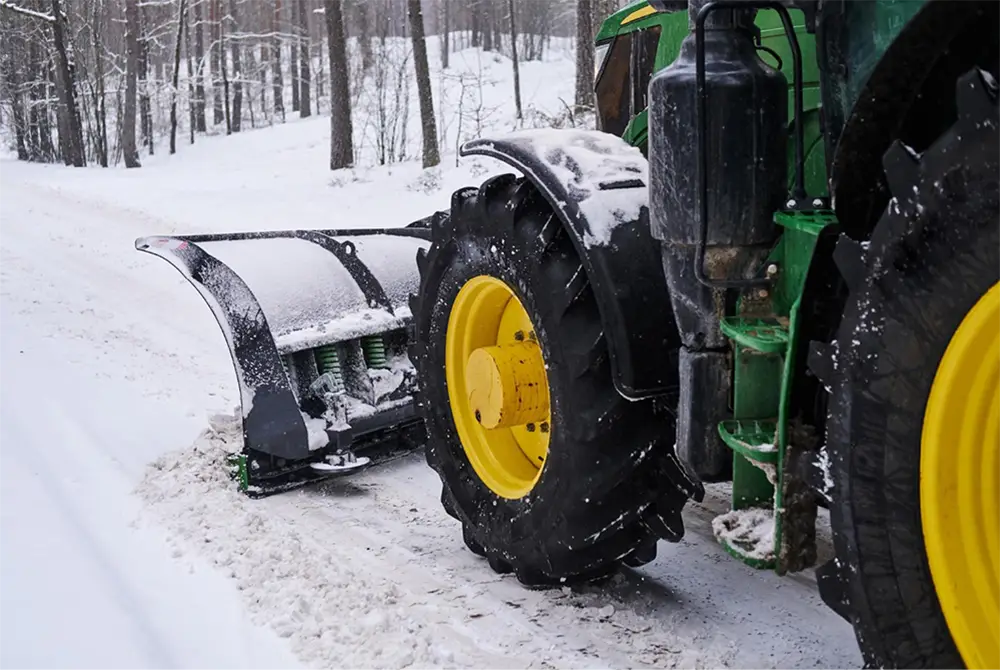
For the snow-plow blade change request, issue a reconciled order and inspection pack before production proceeds under the new material basis. Ask the supplier to acknowledge the approved scope and identify any already produced stock separately. Silence in response to a change email should not be treated as technical authorization.
At delivery, check that the material documents and lot identities match the approved disposition. Preserve the original requirement and change record so a later repeat order does not inherit the substitution accidentally. The useful outcome is an explicit decision supported by relevant evidence, not a blanket rule that substitute steels are always acceptable or always prohibited.
CERATIZIT notes stresses when joining materials with different properties. CERATIZIT Joining Techniques ↗



