Require a precisely scoped claim and documented interface verification for that scope before approving the label. A similar outline, shared bolt spacing or familiar brand name is not enough to support a broad compatibility statement. Keep unsupported model associations out of the approved artwork while the review remains open.
Require exact model, configuration and revision scope
Ask the distributor for the exact proposed wording, model references, sizes, configurations and any relevant revision or production boundaries. “Fits brand X” is too broad if the evidence concerns one particular assembly. Identify whether the statement describes a direct replacement or depends on specified companion components.
Use the private-label programme guide for the wider private-label arrangement. This decision concerns a factual compatibility claim, not routine artwork approval. A customer logo, part number or sales relationship does not establish technical fitment or authorize an OEM endorsement statement.
Link the claim to documented interface verification and responsible approval
Collect the controlling interface documents and the verification record for the proposed blade. Have qualified reviewers compare the complete relevant configuration, not only one mounting dimension. Identify any conditions or exclusions that must remain visible to the buyer or installer.
Where OEM instructions are needed, use the applicable model-specific documents and competent assistance. Do not infer that third-party compatibility has been certified by the OEM because its manual was consulted. If the claim extends beyond the tested or reviewed configuration, mark that extension unsupported until an appropriate basis is established.
Ask who owns technical approval of the wording and how the evidence will be retained. The distributor should be able to trace the label statement back to the exact product revision. If legal or trademark questions arise, refer them to the responsible adviser rather than assuming an engineering fit check resolves every use of a brand name.
Keep unsupported brand associations off labels and catalogues
Approve a wording-and-artwork revision only after the authorized review. Include necessary scope limits in a form that remains clear on the actual label and related listing. Do not bury an essential configuration restriction in an internal email while the public-facing label remains broad.
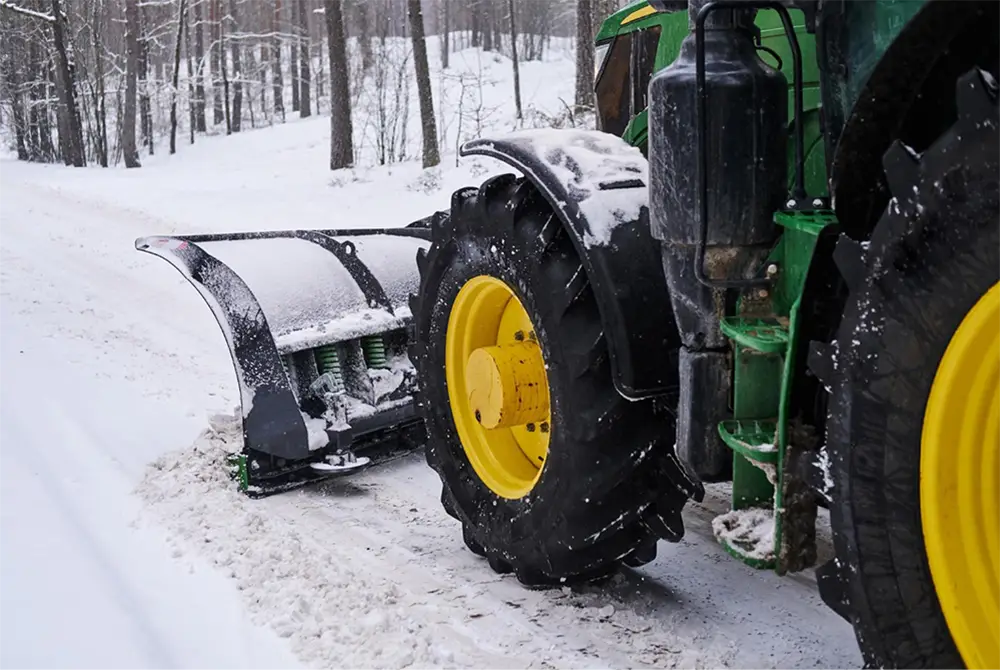
For the snow-plow blade labelling enquiry, link the claim approval to the blade revision and require review when the product or supported equipment scope changes. If the distributor adds new model references later, treat that as a new claim review rather than routine translation or formatting.
Close the process when the proposed statement, supporting evidence and release authority are aligned. If the evidence supports only identification or an enquiry prompt, use that narrower wording. A limited accurate statement is more useful than a broad fit claim that the technical file cannot substantiate.
WESTERN supplies model-specific installation instructions and parts lists. WESTERN official document library ↗



