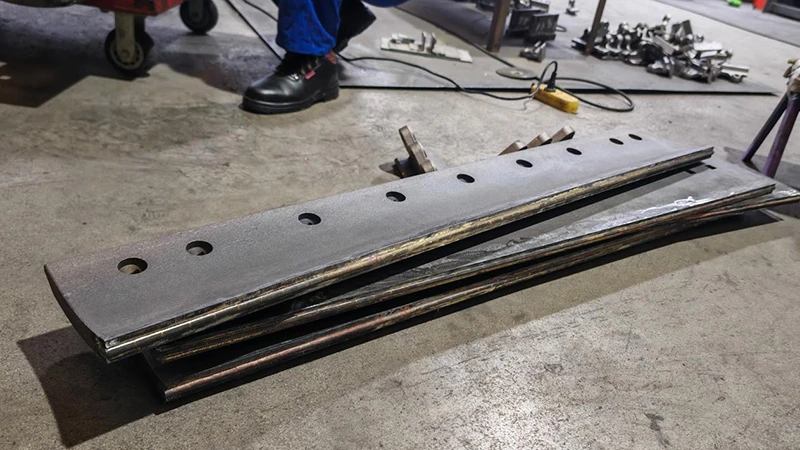
Compare the proposed rollout with the conditions the pilot actually evaluated, then confirm each depot can support the approved configuration. A successful local pilot is evidence for its documented scope, not universal qualification. Expand in a controlled, reviewable way with clear responsibilities for inspection, stock and feedback, keeping untested applications distinct from those already supported.
Compare pilot configurations and routes with the proposed rollout
Summarize the pilot's exact blade and equipment configurations, duty, observation period, service requirements and results. Include limitations such as unfinished life, missing records or unusual support. Do not reduce the evidence to a product name and a success label. The receiving depots need to understand what was demonstrated and which factors were simply part of the pilot environment.
Use the fleet-standardisation guide for broader rollout considerations. Build a depot-by-depot comparison of relevant configurations and duties against the pilot scope. Identify confirmed matches, differences requiring review and unknowns. Similar route descriptions do not establish identical requirements, and a shared supplier code may cover revised products over time. Have the responsible technical owner confirm the approved applications before purchasing treats every interested depot as qualified for the same item.
Check inspection capability, spares and supported installation documentation
Check whether each depot has the required equipment-specific documentation, qualified installation process and inspection capability. Identify who will review condition observations and respond to exceptions. A pilot supported closely by a specialist team may not represent routine service at a remote depot. Make any such support dependency visible rather than assuming it will appear automatically after the parts are delivered.
Confirm the compatible component scope, spare identification and stock arrangements needed for the rollout. Keep revisions and application restrictions visible through receiving, issue and inter-depot transfers. Ask whether maintenance records can preserve the same key evidence that made the pilot useful. This is not a demand for identical software at every location; it is a requirement that the expansion remain interpretable and that a problem can be connected to the actual configuration and service history.
Expand in a controlled scope with feedback rather than treating one pilot as universal qualification
Define the initial expansion scope and the evidence needed before broadening it further. Choose a practical review point or condition through the responsible team, and explain what would prompt additional assessment. Do not promise that a pilot's observed savings will repeat everywhere. Where a depot differs materially, treat its introduction as an approved local evaluation rather than quietly counting it as another instance of the original successful trial.
For a multi-depot blade enquiry, provide the supported configurations and unresolved differences so supply discussions remain specific. Coordinate ordering with technical approval and readiness, keeping commercial commitments within the normal buying process. Close the rollout decision when each participating depot has a documented scope, responsible contacts and a workable feedback path. Preserve the original pilot report as the baseline evidence, and add new depot findings without rewriting its limits. Wider adoption becomes defensible as relevant evidence grows, not merely as more depots request the same product.
Further reading. Clear Roads evaluation ↗



