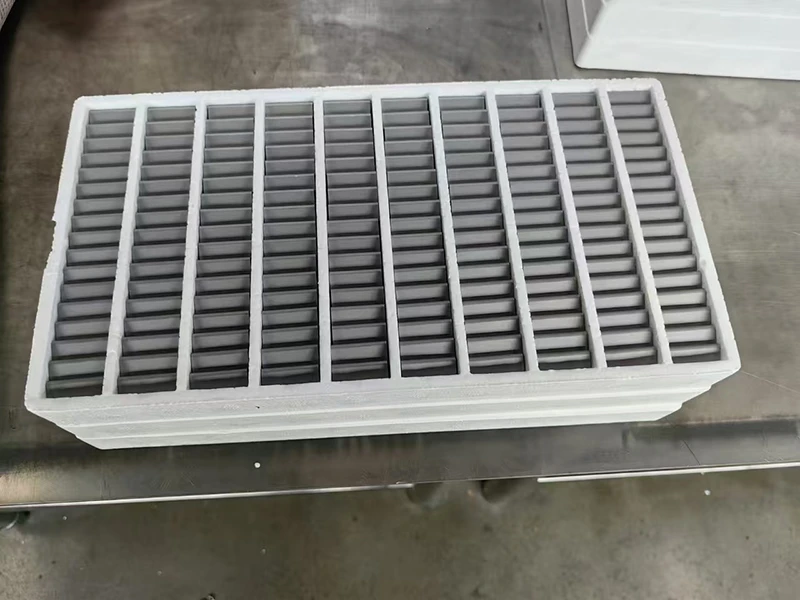
Map the wear by position, preserve the installation and route context, and ask a qualified inspector to review the complete assembly. One worn end is a location-specific observation. It does not establish that the entire blade material is unsuitable, or that a particular setting caused the difference.
Map wear positions against a defined left-to-right reference
Choose an orientation that stays meaningful after removal: for example, the vehicle's left and right as viewed from the operator's position. Mark that convention on a sketch and number the inspection stations. Include the outer end, the transition into the more evenly worn area, the centre and the opposite end. A close photograph of the worst spot needs an overall photograph showing where it belongs.
Record remaining dimensions from the same identifiable reference at every station. Note an irregular edge, obscured reference or damaged mounting feature instead of forcing it into a tidy measurement. Keep the instrument, units and measurement date with the readings. If a previous inspection used another reference, show the two records separately until their methods can be reconciled.
The blade wear measurement guide covers routine measurement and replacement planning. This enquiry has a narrower purpose: establish the extent and progression of the end-specific difference before recommending a new blade specification.
Capture road crown, curb exposure and approved assembly condition
Add the route features that distinguish that end's work. Identify which side encounters curbs, shoulders, transitions or repeated turning areas, and whether the route or direction of travel recently changed. Record the observations actually available; a route map showing a crowned road does not by itself prove how the blade contacted it during each pass.
Photograph the accessible end hardware and adjacent assembly under the equipment's safe inspection procedure. Include visible missing components, damage and the installed part identification. Have the maintainer compare the assembly with its approved documentation. The WESTERN document library is an example of a route to model-specific instructions, not confirmation that a particular SENTHAI part fits that equipment.
Keep any operator report of a strike or uneven clearing in its own field. The words “reported curb contact” are more useful than silently converting an uncertain recollection into a measured loading history.
Give the inspector evidence that separates localized contact from a whole-material problem
Send a compact comparison: wear map, dated photographs, current drawing and batch, installation record, route description and the last available sound inspection. Ask the reviewer whether additional measurements are needed and who can decide continued serviceability. Do not rotate, reshape or alter the assembly just to test a theory unless that action is approved for the equipment.
If several edges are available, compare the same end position and comparable exposure. A spare on a shelf cannot demonstrate good field performance, while an edge on a different route may be an imperfect control. State those limitations. A new carbide grade should answer a documented requirement, rather than merely look different on the next quotation.
When discussing replacement wear components, include the wear map with the enquiry. Close the review with a written disposition: any immediate maintenance action, evidence still missing, and whether a material change is actually justified. Keep the safety decision separate from the eventual explanation of the wear.
Sources and further reading. The ordered specification and applicable equipment documentation control acceptance and service decisions.
WESTERN cutting-edge selection guide ↗WESTERN official document library ↗


