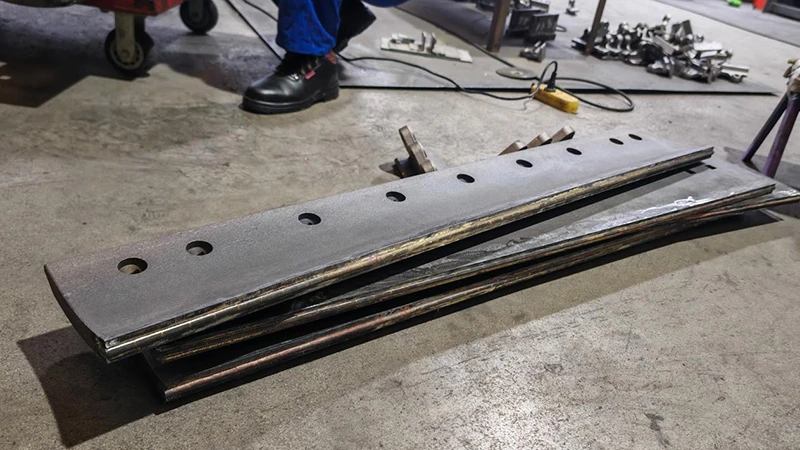
Separate the routes before considering a fleet average. Establish the required outcome and supported result for each duty, then decide where the evidence supports use. A strong average can hide an unacceptable application, while a weak average can obscure a useful limited one. Standardization should follow the actual scope of supported performance, not erase meaningful differences.
Separate the route conditions and required outcomes
Describe each route's task, equipment configuration and service requirements using available records. Identify what works well means in the successful case and what disappointing means in the other: wear, finish, changeover effort or another specific outcome. Check whether the observation periods and exposure measures are comparable. A different result may reflect several changes, so record the evidence without assuming the route label alone explains the cause.
Use the fleet-standardisation discussion for the broader management trade-off. This decision needs route-level findings that remain visible before they are combined. Retain operator reports, condition measurements and maintenance events with their context. If one route's result comes from a short or incomplete interval, state that limitation. Do not give both routes an appearance of equally strong evidence simply because each occupies one row in the summary.
Identify where the evidence supports use and where it does not
Assess whether the candidate met the required service outcome on each route. Keep technical suitability, observed performance and economic preference distinguishable. A blade may fit the equipment yet fail to establish the desired operating benefit, or it may offer a benefit whose scope is still uncertain. Refer unresolved concerns to the responsible technical and operational owners rather than using a fleet-level cost saving to override a route requirement.
Where a limited application is supported, describe it precisely enough to guide ordering and issue. Identify the relevant configuration and duty, plus any unresolved boundary. Do not convert a favorable route trial into a general recommendation for every road with a similar name. Conversely, do not discard the supported result solely because another application needs a different solution. The evidence can justify a controlled exception if the organization can manage it reliably.
Consider a documented limited application instead of fleet-wide approval from an average result
Compare the practical consequences of a limited specification with broader standardization. Include the need for distinct stock identification, training, approved documentation and maintenance planning where relevant. Use actual operational requirements rather than assuming variation is always costly enough to outweigh performance differences. If the fleet cannot keep two configurations clearly separated, that management constraint belongs in the decision, but it does not make an unsuitable application acceptable.
For a route-specific blade enquiry, provide the contrasting results and the boundaries you want to understand. The next evaluation can focus on the unresolved duty instead of repeating a broad fleet trial. Close the decision with an approved scope of use, a clear exception for unsupported routes and a review trigger if conditions change. A fleet average may still summarize total spending, provided the route-level service findings remain visible and no reader can mistake the average for universal qualification.
Further reading. Clear Roads evaluation ↗