No. Depth alone does not establish whether the task involves loose accumulation, compacted snow or a bonded layer. Describe the remaining surface condition and treatment context, then confirm the need and approved machine configuration for a kit.
Distinguish loose accumulation from bonded or compacted layers
Separate the amount of accumulated snow from the condition the current process fails to remove. Ask the route team to identify whether the concern is loose snow, compacted material, a bonded layer or an uncertain mixture. State how that condition was assessed and where it occurs. A depth estimate does not answer whether the proposed equipment addresses the actual problem.
The packed-ice kit guide explains the broader product context. This enquiry is narrower: what information belongs in the initial need assessment? Give the supplier the service outcome that remains unmet rather than a maximum seasonal snowfall figure that may describe a different clearing task.
Record pavement condition, temperature and treatment history
Record the underlying surface, available pavement-temperature information, weather sequence and treatment history. Note the timing of the observation relative to clearing and treatment. FHWA’s archived guidance recognizes differing precipitation and pavement conditions; use it only as historical context, not as an instruction to alter current agency treatment rates or procedures.
Keep the current edge and equipment condition in the assessment. A poor result can justify review without proving that a specialty kit is necessary. Ask which aspect of the documented task the supplier expects its proposal to improve, and what evidence supports that expectation. Avoid diagnosing a bonded layer or machine deficiency solely from a remote photograph.
Request a kit only after checking task need and approved machine configuration
Confirm the proposed kit’s compatibility and permitted use against the actual carrier and attachment requirements. Use the relevant equipment documents and responsible technical review to identify the approved configuration. A product description for packed ice does not establish suitability for every machine, surface or route. No universal operating setting follows from the reported depth.
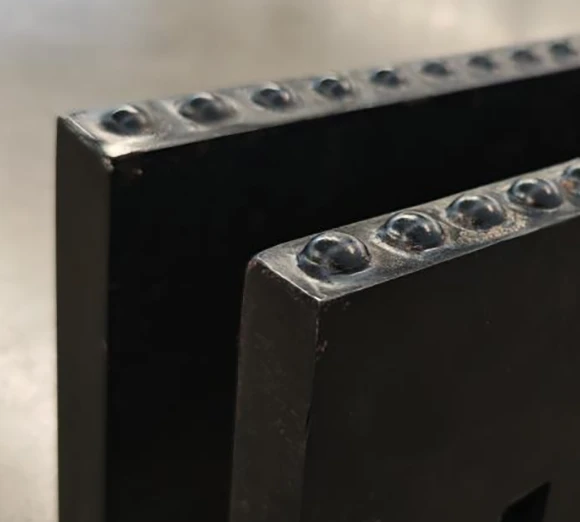
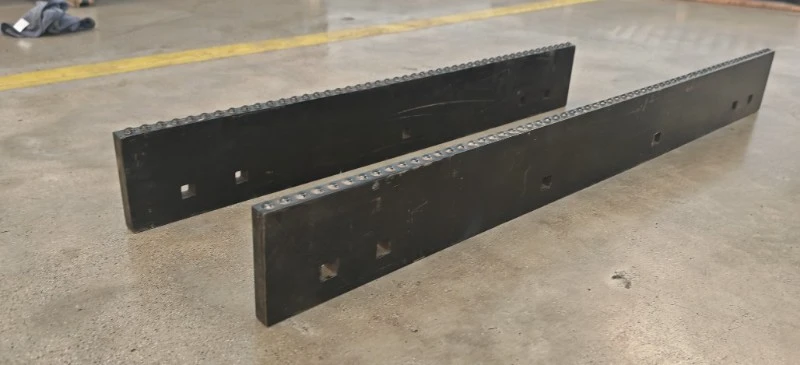
For a packed-ice carbide kit enquiry, submit the layer description, unmet service requirement and machine identity together. If a kit remains a reasonable candidate, define an authorized evaluation around the observed task. Keep loose-snow clearing and bonded-layer removal results separate. The decision should explain why this equipment is needed and supported, or why another part of the maintenance process needs attention first, rather than allowing one snow-depth number to choose the attachment.
Primary references support the specific points linked above; equipment documentation applies to its stated models.
WESTERN official document library ↗FHWA Manual of Practice for an Effective Anti-Icing Program, recommended practices ↗