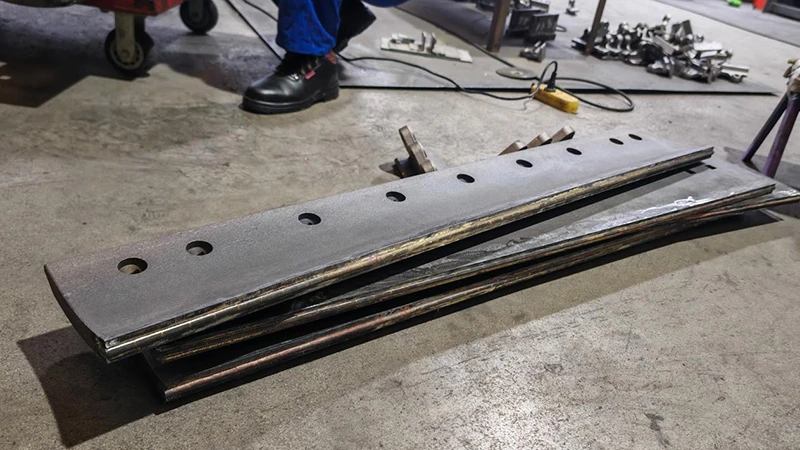
Separate cash spent, parts consumed and serviceable inventory remaining. The initial order is relevant to funding and stock commitment, but charging all unused stock to one option while counting only consumed parts for the other creates an uneven performance comparison. Use the fleet's approved accounting method consistently and show the different questions each cost view answers.
Separate purchases, consumption and remaining serviceable inventory
Reconcile purchases to receipts, issues, returns and closing stock by the actual trial configurations. Distinguish unopened or otherwise released spares from installed blades with remaining condition, quarantined items and stock of uncertain suitability. A warehouse total alone does not establish usable carryover. Keep the physical count and disposition evidence connected so any claimed remaining inventory is identifiable and available within its approved scope.
The municipal wear-parts budgeting discussion provides broader seasonal context. This trial needs a clear boundary between the acquisition decision and consumption during the observed work. Record why the order quantities differed, such as the actual supply arrangement or planned reserve, without assuming a particular minimum order or future requirement. The extra stock may matter to the purchasing decision even if it should not all be treated as consumed during the trial.
Value leftover stock consistently under the fleet's accounting method
Have the responsible financial owner apply the organization's valuation and cost method to both options. State how unused serviceable stock and partially used installed items are represented, and keep technical condition judgments with the qualified owner. Do not assign an optimistic future value merely because a spare remains on the shelf. Its approved application and expected need must be considered under the actual accounting process, rather than a generic article's formula.
Keep cash-flow and operating-cost views distinguishable. The larger purchase may require more funding now while leaving inventory for later service. That does not prove it is cheaper or more expensive overall; it identifies a different timing and stock commitment. If holding, storage or obsolescence costs are included, use the fleet's supported method and apply it consistently. Avoid inventing universal percentages or treating every unissued part as either worthless or guaranteed future savings.
Avoid charging one option all its stock while crediting the other only consumed parts
Compare the options over the same service scope with the inventory treatment clearly stated. Show the opening and closing positions so a reviewer can understand why purchase spending differs from consumption cost. Keep incomplete blade life and any uncertain carryover condition visible. If the conclusion changes depending on whether stock remains useful next season, present that as a decision dependency rather than burying it in a single net figure.
For a repeat blade supply enquiry, distinguish expected consumption from the reserve quantity and ask for the actual offered supply scope. The buyer can then assess the inventory commitment alongside measured performance. Close the seasonal comparison when physical quantities reconcile, the approved valuation method is applied consistently and the report preserves both funding and service-cost implications. Do not make the candidate look worse by charging it all purchased stock while giving the control credit for every unused piece under a different rule.
Further reading. Clear Roads evaluation ↗