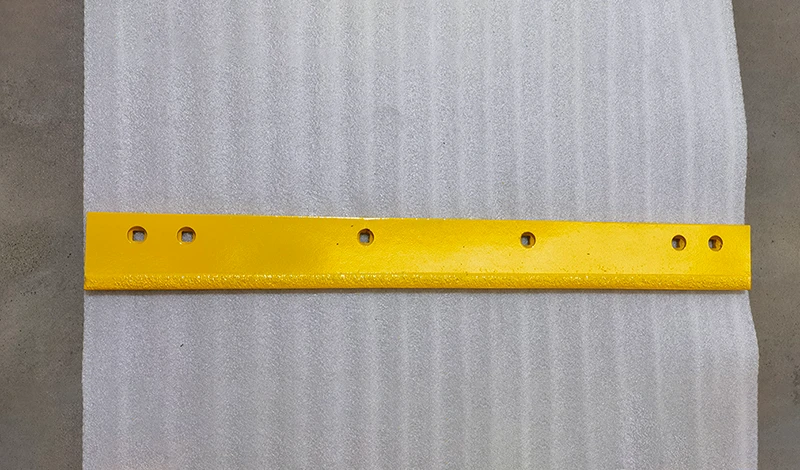
Request an explicit supported model and configuration list, with evidence for each interface. A universal label, similar appearance or shared bolt spacing is not sufficient to establish compatibility across several brands.
Request an explicit supported model and configuration list
Ask the supplier to name the models, applicable revisions and assembly conditions covered by the claim. Distinguish a common blank manufactured into different patterns from one finished part claimed to fit every listed plow. Also clarify whether universal refers only to dimensions or includes suitability for the intended task and equipment configuration.
The equipment compatibility guide covers the wider fleet review. This discussion concerns validating a broad supplier claim before standardizing stock. Create one entry for each actual fleet configuration, rather than accepting a brand-level yes-or-no list. Unknown or modified machines should remain outside the approved cross-reference until their requirements are established.
Verify each mounting and operating interface independently
Compare the complete mounting pattern, seating faces, end interfaces, hardware arrangement and working orientation for each entry. Use the relevant official equipment documents to locate authoritative assembly references and the appropriate manufacturer support route where identification needs clarification. These sources help establish requirements; neither automatically endorses the supplier’s alternative part.
Require the supplier to identify the drawing and evidence behind each proposed match. Keep differences and required companion parts visible. A successful fit on one machine cannot validate an untested model merely because its dimensions appear similar in a catalogue. Any adaptation should be treated as a proposed change requiring the responsible approval, not as routine proof of universality.
Maintain evidence-backed cross-references and do not turn appearance into compatibility
Build a controlled applicability record showing supported configurations, conditions and unresolved entries. Restrict the stock code to that evidence-backed scope. If variants are necessary, give them distinct identifiers so stores cannot issue a superficially similar edge to the wrong assembly. The convenience of a single bin should follow compatibility evidence rather than determine it.
For a carbide blade enquiry, ask the supplier to quote against the fleet’s confirmed entries and clearly mark proposed additions. Qualified installation and inspection should follow each equipment model’s requirements. Update the cross-reference only after the relevant review is complete, and retain the basis for later substitutions. The result may be a useful common part across several configurations, but it should be described by its verified applicability rather than an unlimited marketing label.
Primary references support the specific points linked above; equipment documentation applies to its stated models.
WESTERN official document library ↗FISHER official support and identification guidance ↗


