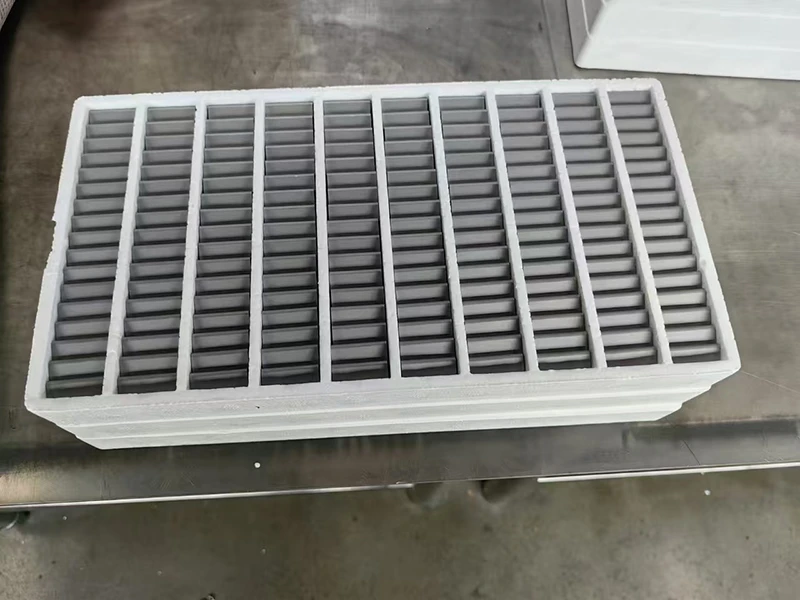
Confirm which production lots and drawing revisions the blades actually belong to, then compare their exposure and inspection methods. An early replacement is a valid outlier to investigate. It is not evidence that every delivered blade has the same issue, nor that the outlier necessarily experienced the same duty.
Trace the outlier and comparison blades to actual lots and revisions
Create a row for the early-replaced blade and separate rows for the proposed comparators. Include part number, revision, batch marking, installation date, equipment identity and replacement reason. A shared delivery date is not a substitute for a production-lot reference. If the shipment contained more than one lot, preserve that distinction before asking about a batch pattern.
Check whether all units reached the same replacement criterion. A blade removed after damage, a blade removed at a planned service and a blade worn to an approved limit represent different endpoints. Keep those categories visible rather than putting every removal into one “life” figure. Retain the outlier and relevant photographs when investigation is still required.
The blade lifespan guide explains the wider planning question. This comparison should stay focused on why one identified unit differs from named comparators, including whether the apparent difference comes from the records themselves.
Match service exposure, route surface and measurement method
Record actual working exposure where available, distinguishing calendar time from plowing work. Add route surface, repeated task areas, operating history and any reported incidents. A blade installed for fewer weeks may still have done more work. If reliable exposure information is missing, state that the comparison is descriptive rather than presenting a precise wear-rate ranking.
Check how remaining section was measured. Use the same reference and mapped positions, and preserve any difference in instrument or access. NIST's measurement traceability guidance is relevant to the quality of measurement evidence, but the first practical question is whether the readings describe the same feature. Averaging incompatible readings does not repair that problem.
Compare installation and maintenance changes as well. Record a machine reassignment, replacement hardware or workshop intervention when known. Do not reconstruct missing settings from what the fleet normally uses and label them as the actual settings of this unit.
Separate unit-specific operating history from a possible batch pattern
Build a comparison that shows similarities, differences and unknowns side by side in the review record. Ask which observations point to a unit-specific history and which justify inspecting additional members of the same confirmed lot. Clear Roads' field evaluation provides background for comparable trials; it does not make a retrospective comparison controlled simply because several blades are listed.
Use precise counts: delivered, installed, inspected, affected and still in service. A unit still working has not yet reached its endpoint, so its final life remains unknown. Likewise, stock that has never been installed cannot support a claim of satisfactory field life. These distinctions often change how persuasive an “only one failed” statement really is.
Send the comparison when discussing replacement edge supply. The next decision might be targeted inspection, more exposure records or an engineering review of the outlier. Keep immediate safe replacement separate from a claim that the material specification should change across the fleet.
Sources and further reading. The ordered specification and applicable equipment documentation control acceptance and service decisions.
Clear Roads High Performance Blade Evaluation ↗NIST Metrological Traceability: FAQ and Policy ↗


