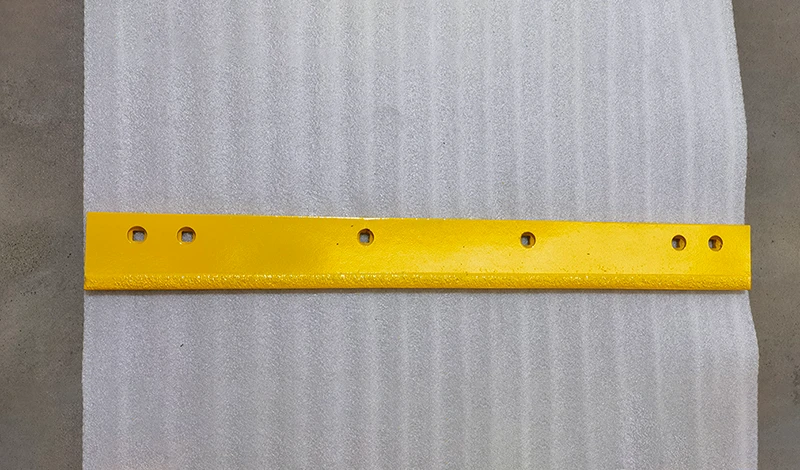
Evaluate forward plowing and backdragging as separate tasks. Confirm whether the equipment and edge arrangement are approved for the reverse-direction work, then investigate the result before calling it a material failure.
Describe the two tasks and their different contact directions
Describe where backdragging is needed and what result is required: access near a structure, a confined area or another specific task. Record the remaining snow’s location and condition without assuming the edge is contacting the surface in the intended way. Keep the forward-plowing result in its own record, because success in one direction does not establish the performance of the other.
The plow package selection guide covers the larger equipment decision. This enquiry focuses on whether one approved configuration can perform both tasks. Ask the equipment reviewer to distinguish a permitted operation from an operation that merely appears physically possible. The buyer should not infer approval from a demonstration on another plow.
Check model-specific backdrag accessories and installation restrictions
Check the relevant equipment and accessory instructions for the actual model. Identify any approved backdrag arrangement and the conditions attached to it. Do not add an improvised second edge, reverse a component or change operating settings to imitate another system. The existing edge’s material identity is only one part of the configuration being assessed.
Have qualified personnel inspect the current assembly and confirm whether its installed condition matches the intended setup. If the configuration is correct but the outcome remains poor, ask the supplier what evidence supports a proposed alternative for backdragging specifically. A general wear-life claim or a forward-clearing photograph does not answer the reverse-task question.
Evaluate results separately instead of calling one poor result a material failure
Compare the two functions with separate acceptance descriptions. For backdragging, agree what residue and coverage the site requires; for forward plowing, retain its normal service requirement. Record any accessory, configuration or condition change during evaluation so an improvement is not assigned to material alone. Avoid declaring an overall winner by combining unlike tasks into an unexplained average.
For a carbide edge enquiry, state both functions and the proportion of work that depends on each. Request a proposal within the model’s approved arrangements, including companion components where needed. The next decision may be an approved accessory or a different equipment assignment rather than rejection of the carbide grade. Purchase against the supported configuration and demonstrated task outcome, leaving any unresolved limitation visible for the operator and fleet planner.
Primary references support the specific points linked above; equipment documentation applies to its stated models.


