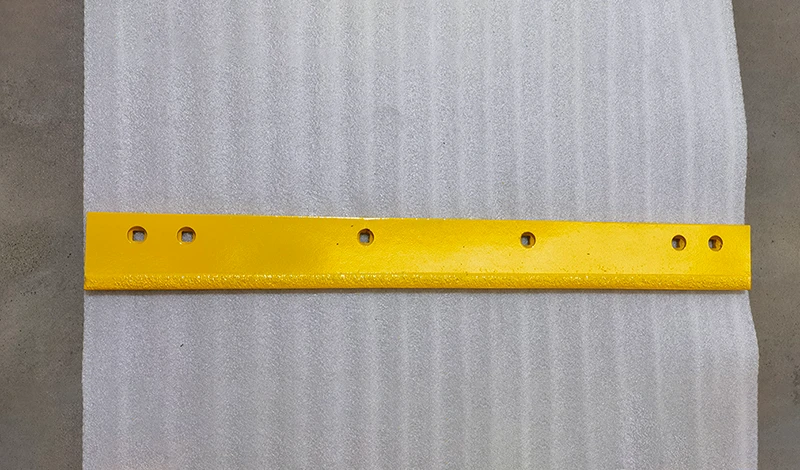
Describe when, where and under which approved configuration the vibration occurs, including any damage or abnormal behaviour. Have the vehicle, mount and edge reviewed as a system, then define a consistent trial outcome without promising a comfort benefit from the edge alone.
Describe when and where vibration occurs and any accompanying damage
Separate the reported sensation from any observed equipment behaviour. Does it occur on particular surfaces, at a certain stage of the task, or only with one attachment configuration? Record the operator’s description without turning it into a measured vibration value. Include associated noise, visible motion or damage as separate observations requiring appropriate review.
The rough-surface blade guide covers general product behaviour. This enquiry is about making a vibration-reduction request testable. A supplier needs the recurring context and the desired outcome, not an unqualified instruction to make the machine comfortable. Do not promise that an edge change will address a vehicle or mounting concern that has not been assessed.
Review vehicle, mount and edge as a system through qualified inspection
Have qualified personnel inspect the vehicle and attachment using the applicable equipment procedures. Any safety-related symptom or damage should be resolved through that process before a product trial continues. The review should establish whether the machine is in an approved, serviceable configuration, not simply whether a new blade can be attached.
Ask suppliers to identify the complete arrangement behind their vibration-related claims and the evidence supporting them. A material property or an unloaded demonstration does not establish the result in the cab on this route. Keep equipment condition, mount configuration and operating restrictions in the proposal so a component recommendation cannot be mistaken for a system diagnosis.
Define a measured or consistently recorded trial outcome without a comfort guarantee
Agree how the outcome will be assessed. If measurement is needed, the responsible specialist should choose the method and acceptance basis; do not invent a threshold from a casual recording. If structured observations are appropriate, use consistent questions, locations and conditions and label the results accordingly. Record changes that prevent a like-for-like comparison.
For a replacement edge enquiry, provide the qualified system-review outcome and the bounded trial question. Compare clearing performance, surface effects and equipment condition alongside the vibration result. A favourable observation can support the tested configuration without guaranteeing comfort for every operator or route. The final report should say what was observed or measured, under which conditions, and whether the evidence justifies the proposed purchase.
Primary references support the specific points linked above; equipment documentation applies to its stated models.


