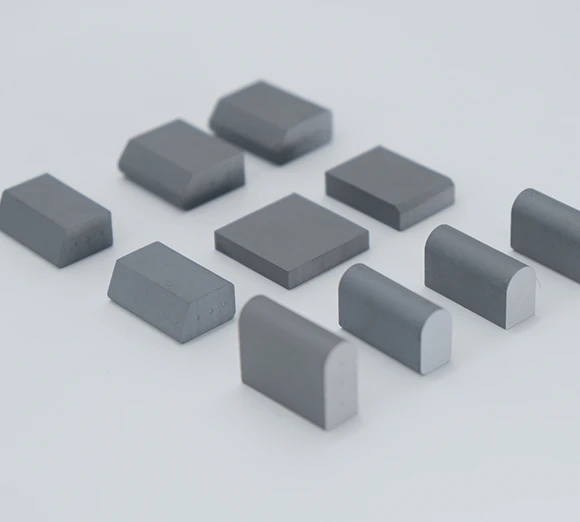
Check the acceptance and reporting rule before deciding. An average may be an agreed summary, but it cannot show whether each individual result met a requirement that applies individually. Request specimen identities and the underlying readings where the method or order requires them, without inventing a new rule after testing.
Compare the purchase acceptance rule with how results are summarized
Read whether the purchase specification controls an average, individual readings, individual specimen results or another defined statistic. Those are different requirements. Also check how the laboratory is required to summarize and report the test. A report containing an average is not automatically deficient, but a passing average does not answer a requirement it was not designed to address.
Ask what was averaged. Several readings on one specimen are not the same as one result from each of several inserts. Record the number of specimens, the number of reported measurements and any calculation used to produce the displayed value. Do not let the word “sample” conceal the difference between a test piece and the group selected from a lot.
The hardness-testing guide covers the measurement more broadly. This question concerns the reporting summary and whether it preserves the information needed for the agreed acceptance decision.
Request sample identity and individual readings where the plan requires them
Request the underlying results with their specimen references when they are required or needed to clarify the summary. Include method, scale, specimen preparation and lot identity. If some readings were excluded, ask the laboratory to explain the exclusions under its procedure. Do not assume every exclusion is improper or accept unexplained removal of an inconvenient result.
ISO's hardmetal sampling and testing scope is relevant background, while the actual contract and applicable method determine what is required here. The public scope does not authorize a particular sample size or reporting shortcut. If the report omits an agreed element, ask the issuer for an amended report that retains the original document history.
Where the order is ambiguous, have the specification owner resolve the reporting basis before release. Avoid demanding a new acceptance criterion solely because the existing results have become visible. Clarification should distinguish what was ordered from any improved requirement proposed for future purchases.
Avoid treating an average inside limits as proof that every sampled result passed
Apply the agreed rule to the appropriate results. An average inside a range can coexist with values outside it; whether that matters to acceptance depends on the actual requirement. Do not label every specimen compliant merely because the summary passes, and do not reject the lot using an unstated individual-result rule.
NIST's acceptance-sampling guidance distinguishes a lot decision from knowledge of every item. Keep that distinction in the release record: the tested specimens and the agreed sampling decision do not establish an exact result for each untested insert. Historical Clear Roads research is further context, not a source of universal limits for this delivery.
When ordering carbide inserts again, specify the reporting format needed by the reviewer. A useful certificate makes specimen identity, summary calculation and acceptance conclusion understandable without repeated correspondence. Close the current issue with the rule applied, the evidence reviewed and any authorized clarification, rather than only retaining the reassuring average.
Sources and further reading. The ordered specification and applicable equipment documentation control acceptance and service decisions.
Clear Roads 17-02: Standard Specifications for Plow Blades with Carbide Inserts (historical research; not a universal specification) ↗NIST What Is Acceptance Sampling? ↗ISO 4489:2019: hardmetal sampling and testing scope ↗


