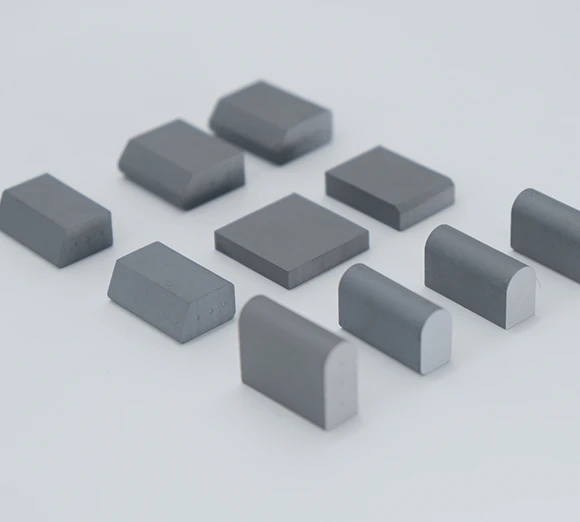
Document the original and proposed material specifications, obtain specialist review of the relevant differences, and require evidence appropriate to the intended application. A verbal promise of equal life is not a substitute for controlled change approval. Keep material conformance and application performance as separate parts of the decision.
Document the original and proposed material specifications
Request the controlled grain description and method of characterization for both materials, together with grade identity and other specified material features. Clarify whether the supplier is changing a target, a permitted band or only the terminology used to describe the same requirement. Do not treat a marketing label such as “fine” as a complete specification.
Ask which delivered lots and open orders would contain the proposed material. Preserve the original specification and relevant sample records before reviewing the new version. If several material features change together, list them all. A grain-size announcement should not hide a simultaneous binder or supplied-condition change that matters to the technical review.
The grain-size comparison guide covers broad selection. This discussion concerns authorization of a specific proposed change and the evidence behind a claimed unchanged outcome, rather than a general rule that one grain class is always better.
Review the property trade-offs with the responsible specialist
CERATIZIT's cemented-carbide reference identifies grain size as a property-related variable. That establishes a reason for technical review, not the direction or magnitude of the result in this particular assembly. Ask the responsible specialist to identify which ordered properties and process considerations need reassessment.
Compare the offered property evidence using its actual method, specimen and material version. A matching headline hardness result does not by itself establish every relevant requirement. Conversely, a changed grain description does not automatically prove that the material is unacceptable. The review should determine what the defined differences mean for the specified product and duty.
Keep any proposed joining or inspection changes within qualified process review. Do not adapt the assembly procedure informally to accommodate a new material and then describe the change as material-only. The approved record should show the whole configuration being assessed so later comparisons can be interpreted honestly.
Require comparable application evidence and change approval instead of a verbal life promise
Ask what supports the wear-life promise: a comparable field study, a defined test, prior application evidence or an unsupported expectation. Record the conditions, endpoints and limitations of any evidence supplied. Clear Roads' field-evaluation work provides background for fair comparison, not proof that this particular substitution will preserve the old replacement interval.
If additional evaluation is warranted, agree its scope before release. Define which quantities and assemblies are approved for evaluation and what would support wider adoption. A limited trial can reduce uncertainty without being represented as a fleet-wide guarantee. Keep material identity visible through the trial so results do not mix the old and proposed versions.
For future carbide insert supply, issue a written change disposition with the accepted specification and effective boundary. If the promise remains unverified, say so even when a technically acceptable change is approved for another reason. The final record should explain what was accepted and why, rather than preserving only the reassuring phrase “same wear life.”
Sources and further reading. The ordered specification and applicable equipment documentation control acceptance and service decisions.
CERATIZIT Cemented Carbide ↗Clear Roads High Performance Blade Evaluation ↗


