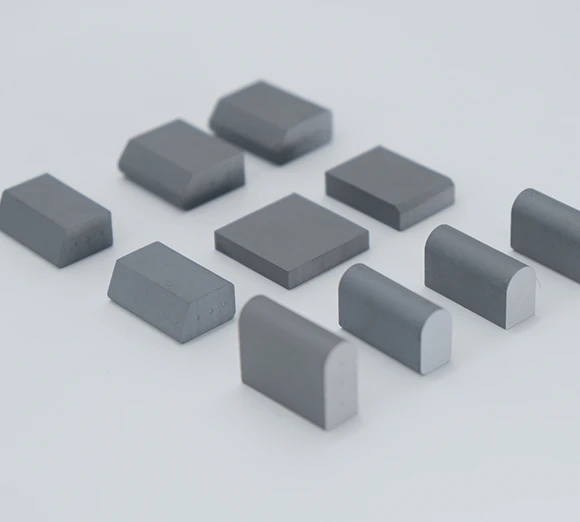
Use density as the property actually measured, not as a complete declaration of composition. Compare the grade identification and all material evidence required by the order. If those records conflict, ask a qualified laboratory or specification owner to resolve the discrepancy rather than reverse-engineering a grade from one density number.
Treat density as one measured property rather than complete chemistry
Read the density report's specimen, method, units and result before considering the supplier's interpretation. Check whether it is a measurement from the supplied lot, a typical catalogue value or a theoretical figure. Those are not interchangeable records. If the order requires a lot measurement, a matching catalogue number does not provide it.
ISO's density-method scope concerns determination of density in the stated materials. It is not described as a complete chemical analysis. That distinction is enough to frame the buyer's next question: what separate evidence establishes the ordered material identity and any composition requirements? Do not ask a density result to answer a different test question.
The cemented-carbide structure guide gives broader material background. This decision is about the evidential scope of one reported property, not a formula for estimating binder content or identifying an unknown grade from its measured mass and volume.
Compare the agreed grade declaration and other required tests
Retrieve the controlled grade specification and list the required declarations or tests. Match each requirement to an actual document and sample reference. If composition is controlled through a declaration, identify that declaration. If testing is required, identify the test report. Do not invent additional acceptance tests after delivery merely because the first report feels incomplete; clarify the agreed requirements first.
CERATIZIT's cemented-carbide reference is useful background on the variety of material combinations. It does not establish that any particular density uniquely identifies a supplier's grade. Keep the supplier's grade code and its underlying specification linked, especially when similar names appear in more than one catalogue or revision.
Check the lot references across reports. A density result for one lot and a composition declaration for another do not automatically form a complete package for the current shipment. Ask the issuer to correct a traceability error or explain the scope of a broader declaration rather than merging the documents yourself.
Resolve discrepancies through a qualified lab instead of reverse-engineering a grade from one number
If the measured result falls outside the ordered requirement or conflicts with the grade record, record the discrepancy and ask the responsible reviewer what examination is appropriate. There may be a reporting, specimen or material question; the density value alone should not decide which. Preserve the sample and its identity while the issue is investigated.
Avoid calculating a supposedly exact composition from an assumed two-component model and using it as a rejection or approval result. The laboratory should select a method suited to the question and explain any limitations. Historical Clear Roads specification research can help distinguish property categories, but its numerical examples are not substitute acceptance limits for this order.
When buying carbide inserts, keep the final disposition tied to the grade, lot and required evidence. A satisfactory density result can remain part of the acceptance pack without being promoted to proof of every material requirement. Resolve the missing composition evidence explicitly so the next repeat order does not inherit the same ambiguity.
Sources and further reading. The ordered specification and applicable equipment documentation control acceptance and service decisions.
CERATIZIT Cemented Carbide ↗Clear Roads 17-02: Standard Specifications for Plow Blades with Carbide Inserts (historical research; not a universal specification) ↗ISO 3369:2006: density measurement scope and status ↗


