Ask the road owner first. Confirm any surface restrictions and acceptance conditions, then establish a baseline and an approved trial area. Do not assume that a material suitable on the previous surface is approved for the new one.
Ask the road owner about surface restrictions and acceptance conditions
Identify the resurfacing work and the responsible owner or maintenance authority. Ask whether winter-clearing methods, timing or equipment are restricted for the new surface. Do not infer readiness from how the road looks or from the fact that traffic has resumed. The buyer needs the owner’s actual conditions, not a generic waiting period from a blade supplier.
The road-class selection guide helps with broader route planning. This enquiry concerns a changed surface within an existing assignment. Keep the previous road’s service history separate from the new condition. Good results before resurfacing are background, not evidence that the same edge can be trialled without another approval.
Document the baseline and select an approved test area
Agree which area, if any, the owner permits for evaluation and document its baseline condition. Include visible defects, repaired transitions and any features the owner wants inspected after clearing. Choose observation locations and conditions that allow a meaningful comparison. If the surface cannot be inspected adequately, state that limitation before the trial rather than promising a conclusive damage assessment.
Confirm the machine and edge arrangement against the applicable equipment documentation. A road-owner approval should describe the surface scope, while the equipment review establishes the permitted configuration. Neither substitutes for the other. Do not introduce an unapproved profile or operating change simply because the trial is intended to compare products.
Stop and report damage indicators rather than declaring a material safe for all new surfaces
Set a stop-and-report process for unexpected surface change or equipment behaviour. The responsible owner should determine how reported damage indicators are assessed. Avoid treating every new mark as conclusively caused by the edge, but do not continue across the route while attribution is unresolved and the agreed stop condition has been reached.
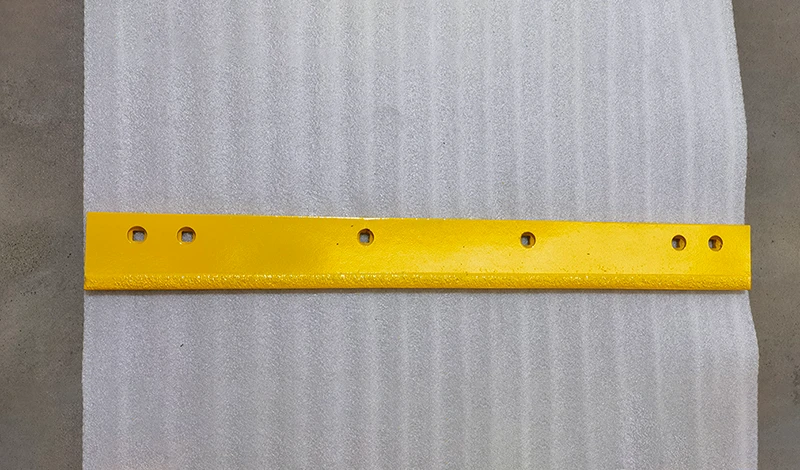
For a carbide blade enquiry, attach the resurfacing context and trial restrictions. Evaluate the agreed service outcome and surface observations separately, retaining incomplete or stopped results. A satisfactory observation supports only the reviewed configuration and tested conditions. It does not establish that the material is safe for every newly surfaced road. The immediate decision is permission for a defined evaluation; a broader route deployment should follow the evidence and the owner’s approval.
Primary references support the specific points linked above; equipment documentation applies to its stated models.


