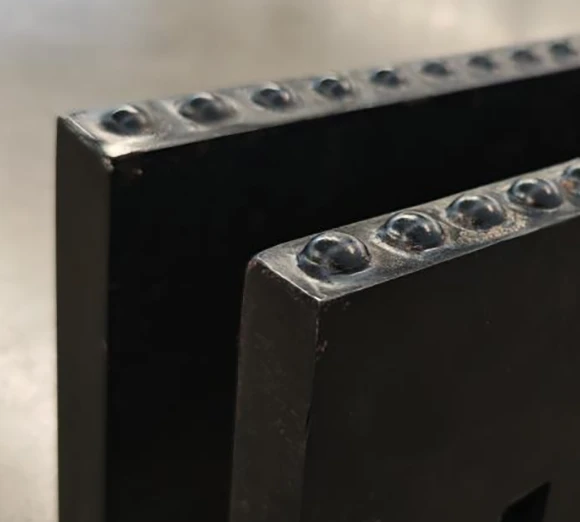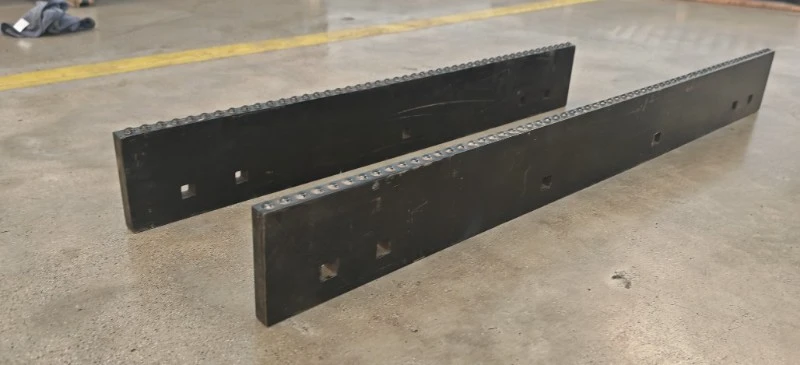
Not necessarily. Breaking a bonded layer and removing wet residue are different outcomes. Describe the remaining material and conditions before diagnosing wear or changing the edge, then evaluate an approved slush-removal option within the route’s treatment plan.
Distinguish breaking bonded snow from removing liquid residue
Describe what remains after the pass: loose slush, a thin wet film, bonded snow or a mixture. Record where it occurs across the cleared width and whether the observation is immediate or made later. Avoid calling every glossy surface ice or every wet result a blade failure. The responsible route team should establish the actual condition safely.
The ice-control edge comparison covers broader design choices. This question concerns a change in the task, not a ranking of all edge types. FHWA’s archived anti-icing guidance distinguishes precipitation and pavement conditions; its historical prescriptions should not replace the agency’s current procedures. Use that distinction to frame the enquiry without borrowing operating rates or settings.
Record surface temperature, precipitation state and pass conditions
Record precipitation state, pavement condition, available surface-temperature information, previous treatment and the pass sequence. Also note the edge identity and its inspected condition. These details help distinguish an observed slush-removal limitation from a changed weather or treatment context. A good packed-snow result from a different event is not a controlled comparison with today’s wet residue.
Do not adjust pressure or operating speed simply to chase a dry-looking finish. The agency’s service criteria and equipment instructions remain controlling. Ask whether the current assembly has an approved option intended for slush removal, and what configuration and limitations apply. A different attachment or accessory may be a proposal to evaluate, not an automatic remedy.
Evaluate an OEM-approved slush-removal option within the agency treatment plan
Define a comparison in which the remaining residue is assessed consistently at identified locations. Keep treatment history and timing visible so an apparent improvement is not attributed to the edge when another part of the process changed. Record both clearing performance and any surface or equipment concerns. If conditions cannot be matched, state the limitation rather than claiming superiority from two unrelated storms.
For a packed-ice equipment enquiry, explain that the open question is wet-residue performance, not simply more ice-cutting ability. Ask the supplier to distinguish the intended functions of its proposal. The next decision should be whether an approved slush-specific arrangement warrants evaluation under the route plan. Replace or service the current edge when its actual condition requires it, not solely because a different precipitation state produced a different-looking finish.
Primary references support the specific points linked above; equipment documentation applies to its stated models.
FHWA Manual of Practice for an Effective Anti-Icing Program, recommended practices ↗