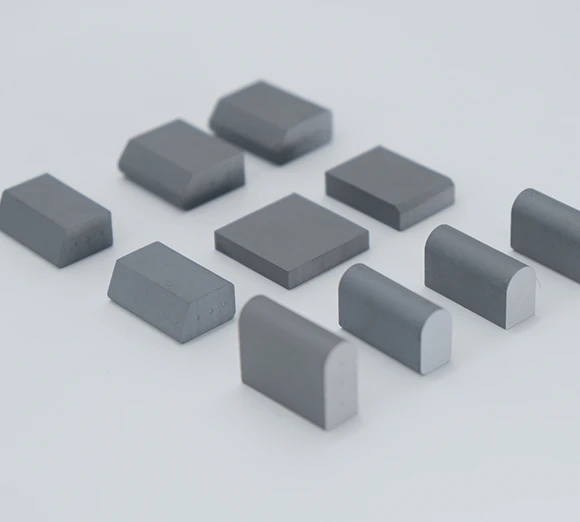
Review the steel body and carbide inserts against their own controlled requirements, then link their evidence to the finished assembly. A carbide report cannot establish an untested steel requirement simply because the materials are delivered together. The exact documents needed depend on the order and the approved acceptance plan.
Identify each component's controlled requirements
List the controlled requirements by component rather than by the folder in which the certificates arrived. For the steel body, identify the material and geometric requirements actually specified. For the inserts, identify their material, shape and supplied-condition requirements. Add assembly and joining requirements separately so neither component certificate is mistaken for a complete finished-product release.
Do not assume that every order requires the same certificate format or every possible material test. Read what was agreed and ask the technical authority to resolve gaps. A requirement can be supported by the specified declaration, inspection or test evidence; the buyer should not invent a more demanding rule after delivery without distinguishing it from the original agreement.
The manufacturing-chain guide covers the whole production sequence. This enquiry is narrower: showing which evidence addresses which component and where the final assembly still needs its own acceptance record.
Link steel and insert material records through the assembly lot
Request the steel and insert material references used in the assembly lot. Identify how the supplier connects each report or declaration to that lot, including any permitted grouping. A certificate file with no link to the delivered parts may describe a valid test but still leave the buyer unable to determine its applicability.
Check that sample identities and material descriptions match the relevant component. A hardness result for the carbide should not be entered into a steel inspection field, and a steel certificate should not be treated as an insert-grade declaration. Similar-looking report layouts can conceal these scope differences when records are copied into a common template.
CERATIZIT's carbide reference provides material background, while the order defines the actual evidence required for the inserts. It does not certify the carrier steel or the completed joint. Keep component-level technical information within that scope when assembling the release pack.
Avoid using a carbide report as evidence of the steel body's conformance
Build a simple requirement-to-evidence index: requirement, component, document, lot connection and review status. Mark an absent report as missing evidence rather than automatically declaring the material nonconforming. Mark a confirmed out-of-requirement result separately. That distinction helps the supplier respond with the right correction or technical disposition.
Use the assembly inspection to address requirements that only exist after the components are combined. Historical Clear Roads specification research can help frame the separation of subjects, but it does not impose a universal certificate package on this purchase. Do not infer assembly conformance from the mere presence of two acceptable material reports.
For carbide insert or finished-edge enquiries, specify the delivery scope and evidence responsibilities. A loose-insert purchase and a complete assembled blade have different boundaries. Close acceptance when the ordered requirements are supported and the responsible reviewer has released the defined product, not when a folder contains an impressive number of certificates whose coverage remains unclear.
Sources and further reading. The ordered specification and applicable equipment documentation control acceptance and service decisions.
Clear Roads 17-02: Standard Specifications for Plow Blades with Carbide Inserts (historical research; not a universal specification) ↗CERATIZIT Cemented Carbide ↗


