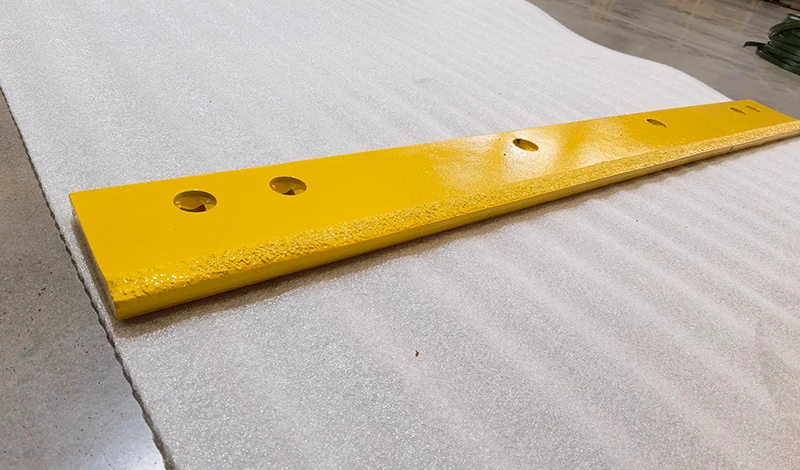
Verify the supersession through an authoritative equipment reference and check its applicability to your model and serial configuration. A catalogue substitution is a lead, not proof that the replacement number covers your complete assembly.
Obtain the OEM supersession record and model or serial applicability
Keep the old number exactly as recorded, including suffixes and any assembly designation. Note where the proposed new number came from. Ask for the supersession record that connects them, rather than accepting a reseller description that says replacement for a similar family. Distinguish a genuine supersession from an aftermarket cross-reference or a supplier’s internal stock-code change.
The equipment compatibility guide covers the wider identification issue. This decision is specifically about the evidence behind an old-to-new relationship. Check the actual attachment model and available serial applicability. The truck’s appearance or purchase year cannot resolve a part revision that belongs to the plow assembly.
Check whether related fasteners or companion parts also changed
Use the official parts documents and, where necessary, the manufacturer’s support route to establish the replacement scope. Ask whether the new number is a single edge, a kit or an assembly with different contents. A supersession may require a review of companion hardware or guards; determine the actual requirement rather than assuming those items changed or remained identical.
Compare the new part’s installation reference with the existing assembly. If the record contains a model range, configuration condition or serial break, retain that condition alongside the cross-reference. A clipped screenshot showing only two numbers can lose the restriction that makes the substitution valid. Where the original number is partly unreadable, do not complete it from the seller’s proposed match.
Keep the old-to-new cross-reference tied to evidence, not a reseller assertion
Before ordering, have the responsible reviewer confirm which supersession applies and whether any additional components are required. Ask purchasing to preserve the supporting reference with the new stock code. If the evidence remains uncertain, describe the new number as a candidate and hold the compatibility claim open. Commercial availability does not settle technical applicability.
For a replacement carbide edge enquiry, state whether the supplier is quoting to the confirmed new drawing or offering an independent alternative. Those routes need different evidence and should not be blended. Once approved, update the fleet cross-reference with the date, source and applicable configuration. That allows future buyers to use the change without repeating the investigation or broadening it to equipment the supersession never covered.
Primary references support the specific points linked above; equipment documentation applies to its stated models.


