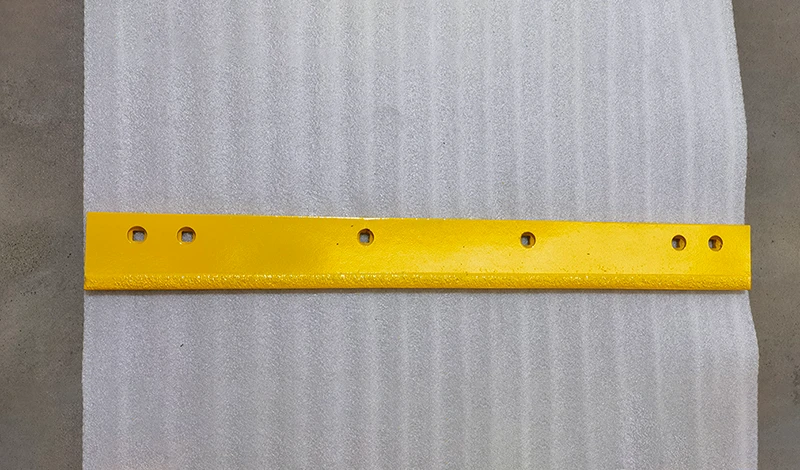
It should trigger a route-and-equipment review, not an automatic profile change. Establish the joint condition and owner restrictions, then confirm the approved plow arrangement before changing an edge or its operating conditions.
Record joint profile and owner restrictions without diagnosing from a photo
Identify the bridge and approach locations through the responsible road or structure owner. Ask for relevant winter-maintenance restrictions and reports of joint condition. Distinguish an observed irregularity from an assumed standard joint profile. A photograph can locate a concern but cannot establish all dimensions or the acceptable interaction with a plow.
The bridge and shaded-route guide covers broader winter-maintenance planning. This discussion concerns the mechanical interface at a joint, which should remain separate from the bridge’s treatment and service priorities. Do not let an ice-removal request obscure an unresolved surface or structure concern.
Review obstacle interaction and approved equipment limitations
Provide the equipment authority with the actual plow model, attachment configuration and proposed edge. Use its applicable installation and operating documentation as the reference for permitted use. Ask whether the known route conditions call for a different approved arrangement or restrictions. No generic edge-profile recommendation can certify safe interaction with an unknown joint.
A supplier may propose a candidate, but its explanation should identify the evidence and assumptions behind the recommendation. Do not accept a sharper, thicker or more impact-resistant description as a substitute for the assembly review. Avoid trial impacts, improvised trip settings or unapproved operating changes intended to see what the joint will tolerate.
Require route and equipment review before changing edge profile or operating settings
If an evaluation is authorized, agree where it may occur, how observations are collected and what concerns require stopping and reporting. Keep existing joint defects documented so later observations can be interpreted, but do not use a baseline to excuse newly observed damage. Any structure-related finding belongs with the responsible owner rather than being resolved through a blade modification alone.
For a carbide blade enquiry, attach the route restrictions and the bounded equipment approval. Ask the supplier to quote within those conditions and state unresolved points. The outcome may be retention of the current edge, an approved alternative or a route-management change. What matters is that the chosen arrangement follows the joint and equipment review; ordering a different profile first merely shifts the unanswered question into the installation stage.
Primary references support the specific points linked above; equipment documentation applies to its stated models.


