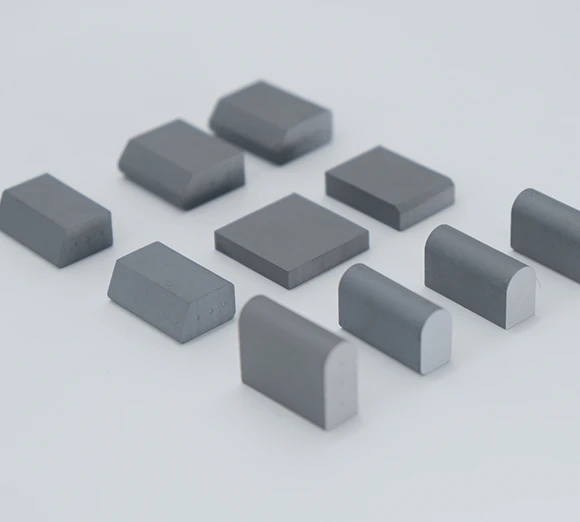
Request the controlled before-and-after material specifications, identify the affected lots and obtain an engineering disposition. An unchanged commercial grade name does not establish an unchanged material. The review should address the actual change and its implications for the approved insert and assembly, rather than relying on the label.
Request the before-and-after controlled material specification
Ask what changed, when it became effective and which specification revision defines the new material. Distinguish a changed target, a changed permissible range and a correction to earlier documentation. Those situations can require different responses. Retain the old declaration and the new one rather than replacing the historical record with the latest data sheet.
CERATIZIT's material reference identifies binder content as one of the variables affecting cemented-carbide properties. That makes the change technically relevant, but it does not establish that the new material is necessarily better or worse for this application. Avoid inferring the complete property effect from one changed percentage without the responsible specialist's review.
The grade-selection background guide covers wider duty considerations. This enquiry is about a known composition change within an apparently unchanged designation, and the evidence needed to control that specific substitution.
Identify affected lots and property or application reassessment
Request the first affected production lot and the last lot supplied under the prior specification. Check stock, work in progress and open orders so both versions remain identifiable. If the supplier cannot define the change boundary, record that as a traceability issue rather than assuming the shipping date separates the materials reliably.
Ask which previously accepted property and application evidence remains applicable and what needs reassessment. The response should identify the test methods, specimen and material version behind any comparison. A new catalogue hardness value is not a complete explanation of how the changed material satisfies the existing order. Nor should every historical test be repeated automatically without a reason tied to the change.
Include joining and supplied-condition review where the process owner considers them relevant. Keep that assessment with the material substitution record. Do not assume that keeping the same insert dimensions eliminates every assembly consideration, or prescribe process changes before the specialist has identified a need.
Require engineering disposition instead of relying on unchanged marketing nomenclature
Give the approving engineer the differences record, lot boundary and proposed evidence. Ask for a disposition that states the accepted material identity and any limitations. If a trial or restricted release is approved, record its quantity and purpose. A sample approval should not be described as full permission to mix both material versions indefinitely.
Use the ordered specification and applicable methods as the acceptance basis. Historical Clear Roads research can inform the structure of the review but cannot provide a universal binder limit or approve the supplier's change. If the original order controlled only a grade name, clarify the underlying requirement rather than pretending a more detailed contract existed all along.
For future insert orders, retain the approved specification revision alongside the grade name. Update repeat-order instructions and stock identification as needed. Close the change with an effective lot or order boundary, so the next buyer can tell which material was approved and does not unknowingly restore the old ambiguity.
Sources and further reading. The ordered specification and applicable equipment documentation control acceptance and service decisions.
CERATIZIT Cemented Carbide ↗Clear Roads 17-02: Standard Specifications for Plow Blades with Carbide Inserts (historical research; not a universal specification) ↗


