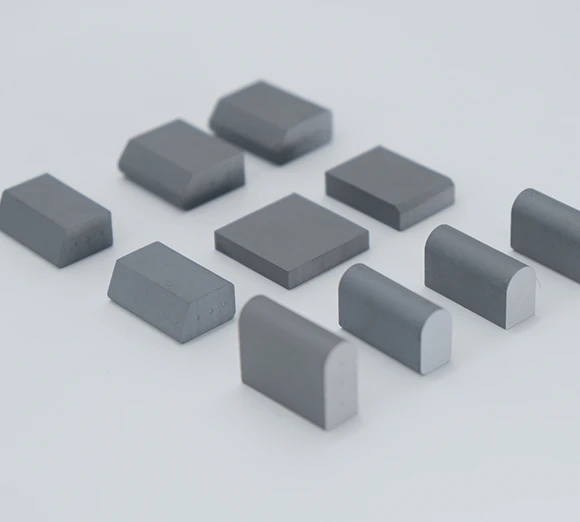
No reliable grade identity should be assigned from colour or shine alone. Treat the pieces as unidentified until traceable documentation and any agreed verification establish their identity. Surface appearance can be recorded as a condition observation, but it should not become a substitute grade designation or permission to mix stock.
Separate visual surface condition from material identity
Photograph the stock as found, including packaging, markings and storage location. Record what differs visibly from the approved sample without explaining the cause prematurely. Different finish, handling history or an unknown treatment may need investigation, but appearance alone cannot determine which explanation applies to these pieces.
Check whether the approved sample itself has a documented supplied condition. A polished display sample is not necessarily an appearance standard for an as-supplied insert. Separate the question “does this look like the reference?” from “can this be connected to the required material?” The first may help identify a discrepancy; it does not answer the second.
The grade cross-reference guide covers broader identification issues. This case is specifically about an unlabelled-stock decision and why a visual resemblance or difference should not be used to invent the missing material identity.
Request traceable grade documentation and agreed tests
Search the receiving, movement and order records for a supported connection to a supplier lot and controlled grade. Preserve the actual chain of records, including gaps. A nearby carton label or a remembered delivery is a lead to investigate, not proof that every loose piece came from that carton. Ask the supplier whether remaining markings or records can resolve the identity.
CERATIZIT's cemented-carbide information describes a range of material combinations. It does not offer a visual colour code that identifies an unknown grade. If documentation cannot resolve the issue, have the responsible technical authority decide whether appropriate testing could answer the required identity or suitability question, and what limitations would remain.
Do not select a convenient hardness or density test and assume it will uniquely reconstruct the original grade. The verification needs to address the controlled requirements actually relevant to release. Keep the distinction between confirming a known specification and identifying an unknown commercial material.
Keep unidentified stock segregated until identity is established
Mark the pieces as unidentified and keep them out of approved issue stock while the review is open. Record quantity, location and who is responsible for disposition. Do not blend them with known stock because the geometry fits or because a few pieces seem to match the sample. Mixing would make the formerly identified material harder to trace as well.
A release decision should cite the evidence and the specification it supports. If the original identity remains unknown but a separate suitability assessment is proposed, document that as a new technical decision rather than pretending the old identity was recovered. Historical Clear Roads specification work is background, not permission to identify loose stock from appearance.
When requesting replacement inserts, describe the known requirement from the controlled drawing and material record, not from the unidentified pieces. The safest purchasing outcome may be confirmed replacement stock while the unknown material follows a separate disposition path. Preserve the investigation record so the same pieces do not repeatedly return as a new identity question.
Sources and further reading. The ordered specification and applicable equipment documentation control acceptance and service decisions.
CERATIZIT Cemented Carbide ↗Clear Roads 17-02: Standard Specifications for Plow Blades with Carbide Inserts (historical research; not a universal specification) ↗


