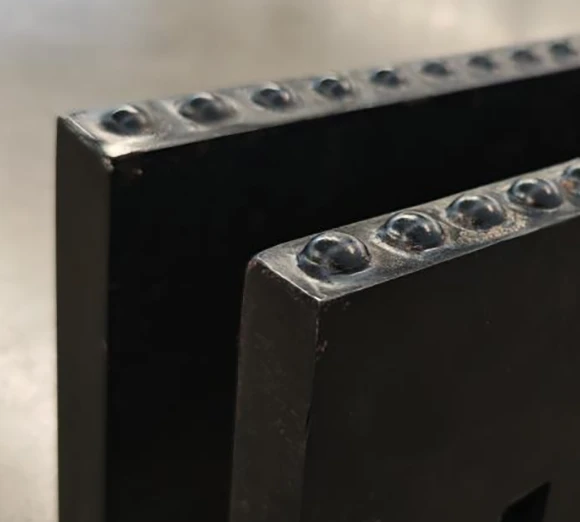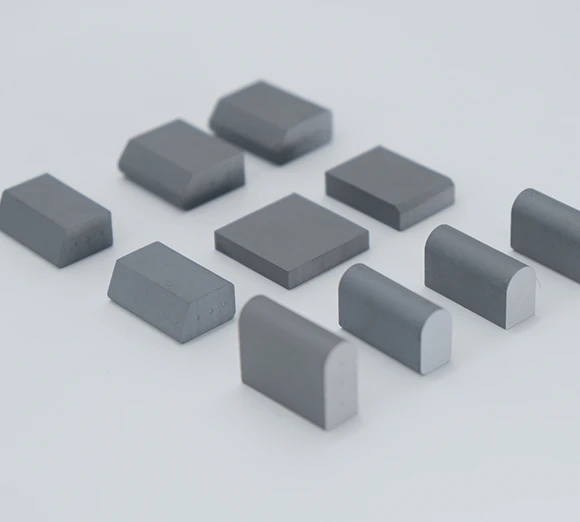
Treat the component-source change as a reviewable change within the established assembly. Identify the new material and affected lots, review conformance and joining implications, and obtain a documented release. Keeping the assembler and finished part number unchanged does not establish that the underlying component evidence remains applicable.
Identify the affected component specification and production lots
Request the old and new insert source identities, controlled grade references, drawings and supplied conditions. Ask which requirements remain unchanged and whether any proposed differences are hidden behind a shared commercial designation. The comparison should cover the actual component being introduced, not only the assembler's statement that the finished blade will look the same.
Define the change boundary by production lot or another reliable manufacturing reference. Identify existing stock, work in progress and open orders that may contain either source. A shipping date may not separate them cleanly if inventory overlaps. Keep both component sources traceable rather than treating the change announcement as proof that every later delivery contains the new material.
The lot-traceability guide covers the broader record system. This discussion focuses on the evidence update needed for one upstream source change and how to prevent its scope from disappearing inside an unchanged assembly number.
Request grade conformance and joining qualification review
Ask for the material evidence required by the order and confirm its relationship to the new source and supplied lots. A valid certificate from the former source cannot establish the new source's conformance. Likewise, a generic grade brochure is not automatically a substitute for the specified production evidence. Identify the exact gap before deciding what additional examination is needed.
Have the joining process owner review whether existing qualification and controls cover the new component's material, geometry and supplied condition. CERATIZIT's joining guidance provides technical context, not a universal rule that every source change requires the same retesting. The specialist should state what remains applicable and what needs further evidence.
Preserve any sample or trial identity so the review can follow the new component into the completed assembly. A fit check may establish one requirement while leaving material or process questions open. Do not describe the sample as fully approved unless the approval scope actually covers those questions.
Retain a documented release before mixing new-source inserts into an established part number
Obtain a release decision from the responsible authority before mixing the new-source inserts into routine accepted supply. State whether the decision is a limited evaluation, a one-time deviation or approval for continuing production. Include any conditions and the effective lot boundary. The assembler's internal purchasing change should not silently expand the buyer's approved alternatives.
Historical Clear Roads specification research is useful background for separating material, geometry and inspection requirements. It does not establish a universal qualification package for this source change. Apply the agreed specification and the evidence judged necessary for the actual differences, rather than either demanding every test again or assuming none needs review.
For repeat carbide component orders, retain the source-change disposition with the part's controlled records. Ask how future certificates and lot records will identify the new arrangement. The final file should let a later investigation connect a finished blade to the component version actually used, without guessing from the assembler's unchanged name.
Sources and further reading. The ordered specification and applicable equipment documentation control acceptance and service decisions.
Clear Roads 17-02: Standard Specifications for Plow Blades with Carbide Inserts (historical research; not a universal specification) ↗CERATIZIT Joining Techniques ↗