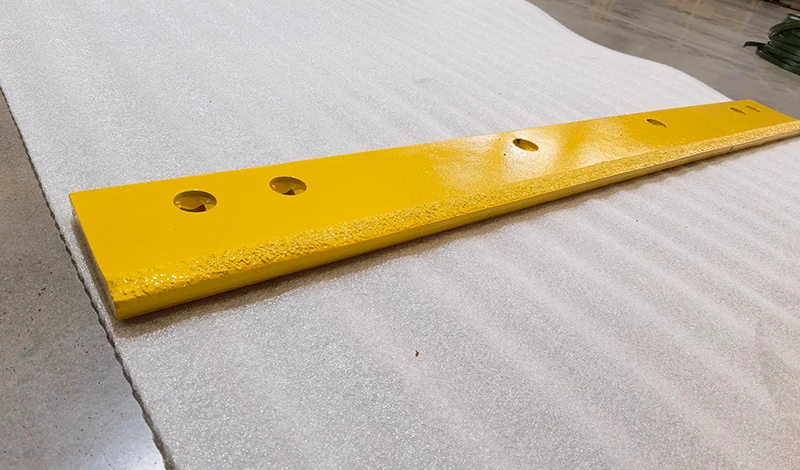
Not yet. Compare the actual plow identities and mounting configurations, then separate design differences from wear, damage or repairs. A successful fit on one unit does not qualify the same part for every similar-looking plow.
Compare actual plow model and serial identity rather than truck appearance
Make a side-by-side record for the two attachments, not just the trucks. Include the plow model, available serial identification, assembly references and the exact replacement drawing being compared. A fleet vehicle number is useful for tracking the case, but it does not establish which attachment or revision is mounted. Photographs should show the full mounting arrangement and the point where the second fit differs.
Use the equipment compatibility guide as background for the broader identification task. For this exception, label the units ‘confirmed fit’ and ‘unresolved fit’ instead of calling one normal and the other defective. That keeps the investigation open to an undocumented configuration difference. Where identification is incomplete, manufacturer support guidance offers an identification and dealer route; appearance alone cannot supply the missing model evidence.
Record mounting rail condition, repairs and assembly revision on both units
Compare hole locations, seating faces, end interfaces and any cover plates or guards on both units. Record repair history and visible alterations separately from the original part references. A rail that has been repaired or a companion part that has changed needs its own review. Do not use the fitting blade to force the second assembly into alignment or conclude that a new edge is wrong solely because the old one could be attached.
Ask a qualified reviewer to identify whether the mismatch belongs to the blade, the mounting assembly, or the assumed cross-reference. The applicable parts and installation documents can help establish the intended configuration. Measurements of the current assembly should remain distinguishable from design dimensions. If the first unit also has undocumented modifications, its successful fit is weaker evidence for fleet standardization than it initially appears.
Separate design differences from damage before qualifying a shared part number
Create an applicability list before assigning a shared stock code. Each included plow should have a supported configuration reference, with unresolved units excluded or clearly held for review. If the two machines require different edges, give the variants distinguishable identifiers and labels; do not rely on a storeroom note saying one truck needs a small adjustment. A purchasing simplification should follow verified compatibility, not drive it.
For a carbide replacement proposal, send both configurations and request an explicit statement of which one the quotation addresses. A corrected blade, a separately approved repair, or two different specifications may each be possible outcomes, but the evidence must decide. Once the mismatch is resolved, retain the comparison with the fleet cross-reference so the next buyer does not repeat the assumption. The immediate next step is a two-unit interface review, not a larger order based on the first fit.
Primary references support the specific points linked above; equipment documentation applies to its stated models.
WESTERN official document library ↗FISHER official support and identification guidance ↗


