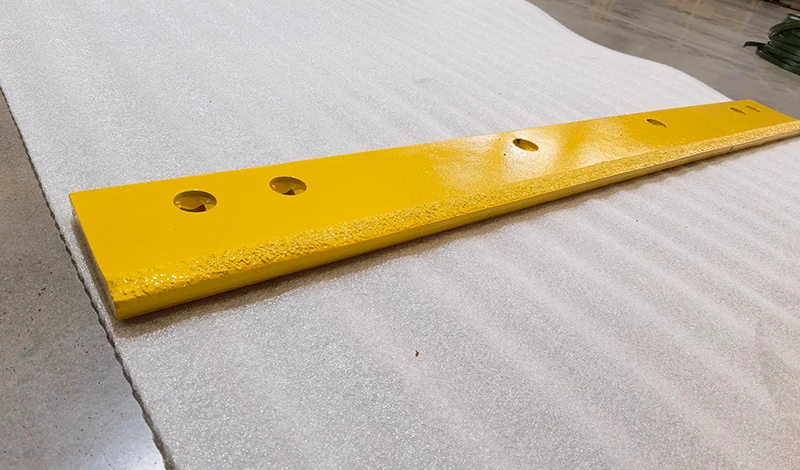
Number the holes from a common datum and dimension the exceptional joint explicitly. A repeated-pitch note must not override the nonstandard spacing or hide the relationship between the two adjoining sections.
Number every hole from the common datum
Choose the approved reference edge and viewing direction, then give every hole a unique identifier along the assembled pattern. Show where the joint falls between those identifiers. If the sections have separate drawings, include an assembly reference that connects the two patterns instead of leaving the reader to reconstruct their relationship from individual part lengths.
Use the bolt-pattern verification guide for the overall check. This case needs special attention to the one place where a shorthand repeating note stops being true. Mark the exception directly on the drawing, not only in an email or an inspection comment. An inspector should be able to locate it without knowing why the discussion began.
Show the exceptional joint spacing explicitly and check cumulative endpoints
List centre positions from the common datum and show the joint spacing as a named feature. Compare the first and last centres with the complete pattern endpoints. That creates a check on the layout without using a chain of repeated pitches as the only description. Have the drawing owner resolve any redundant or conflicting dimensions rather than leaving the shop to choose one.
Where the mounting arrangement is uncertain, consult the applicable assembly documentation before deciding how the two sections relate. A joint gap measured on worn loose parts is not automatically the intended installed relationship. Keep assembly dimensions, part dimensions and observed wear separate so the special spacing is defined from the right reference.
Prevent a repeated-pitch note from overriding the one nonstandard interface
Ask the supplier to highlight the exception in its returned drawing and inspection plan. If manufacturing software imports a repeated pattern, the reviewer should verify that the special interval survived the import. This is a check on the proposed geometry, not a reason to prescribe a particular shop process. The order must name the revision containing the exception.
For a replacement carbide blade, include the adjoining section reference even when only one piece is being purchased. At receipt, inspect the exceptional feature as well as the ordinary pitch and overall endpoints. If one section is substituted later, recheck the joint relationship rather than relying on its nominal length. The practical goal is a pattern that remains understandable after the original buyer, supplier contact and installer have all changed.
Primary references support the specific points linked above; equipment documentation applies to its stated models.


