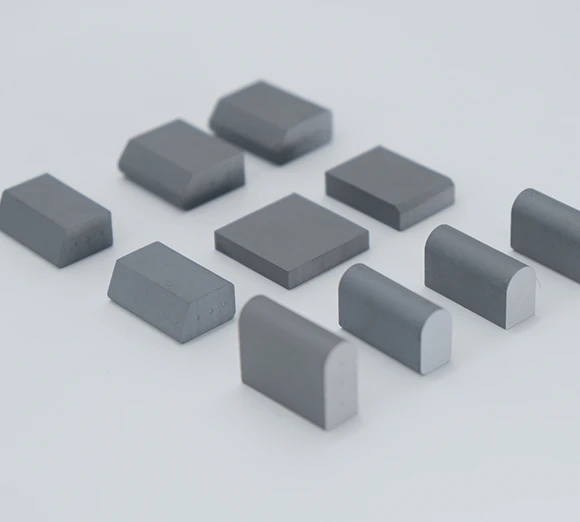
Clarify which surfaces were polished and what the sample is intended to approve. A polished sample can support limited review, but it does not automatically represent an as-sintered supplied condition. Approve the actual surface state and its inspection basis explicitly, keeping any sample-only preparation visible.
Identify which surfaces and dimensions are finished differently
Compare the sample with the order face by face. Mark the joining surface, working face, reference faces and edge features, and ask which were finished after sintering. Record whether reported dimensions were taken before or after that finishing. Avoid describing the entire sample as representative when only its overall form or a particular feature was under review.
Keep the sample's identity and preparation history attached to the photographs. A bright surface is an observation; the supplier should identify the actual preparation rather than asking the buyer to infer it from appearance. If the sample was prepared only for photography or a measurement, say so in the approval request.
The sintering background guide explains the wider manufacturing context. This decision is narrower than production-route qualification: it concerns the surface condition and dimensions the buyer will receive, compared with the condition shown by the approval sample.
Ask whether sample processing matches the production route
Ask the supplier to state the intended delivered condition for each relevant face and whether that matches the order. CERATIZIT's material and product background can orient the discussion, but it does not make a polished specimen interchangeable with a differently supplied part. The actual drawing and agreed finish requirements control the comparison.
If the sample differs, identify what conclusions remain valid. It may show orientation or a nominal shape while leaving acceptance of an as-sintered surface unresolved. Do not discard every useful feature of the sample, but do not extend a limited approval to joining readiness, dimensional acceptance or appearance where the changed finish affects the evidence.
Ask the responsible technical reviewer whether an additional representative sample, measurement record or clarified surface note is needed. That request should target the actual supplied-state gap. It need not reopen the entire production qualification unless the evidence reveals a separate process-representativeness issue.
Approve the actual supply condition and its inspection method
Record the approved supply condition on the controlled drawing or referenced specification, with clear responsibility for any preparation after delivery. Agree how dimensions and surface requirements will be inspected in that condition. NIST's metrology guidance is relevant to the measurement basis; a precise reading on a differently prepared face does not by itself establish the delivered part's conformance.
If the polished sample remains in the reference set, label its limited purpose and identify the sample or record that controls the as-sintered condition. This prevents receiving inspection from rejecting acceptable stock solely because it lacks the demonstration sample's shine, or accepting a changed surface because its general silhouette matches.
For repeat insert orders, use the approved supplied-state requirement rather than “same as sample” without qualification. Close the issue by stating exactly what was accepted: the delivered finish, the associated inspection method and any sample-only differences. That creates a usable receiving reference without silently changing an as-sintered order into a polished one.
Sources and further reading. The ordered specification and applicable equipment documentation control acceptance and service decisions.
CERATIZIT Cemented Carbide ↗NIST Metrological Traceability: FAQ and Policy ↗


