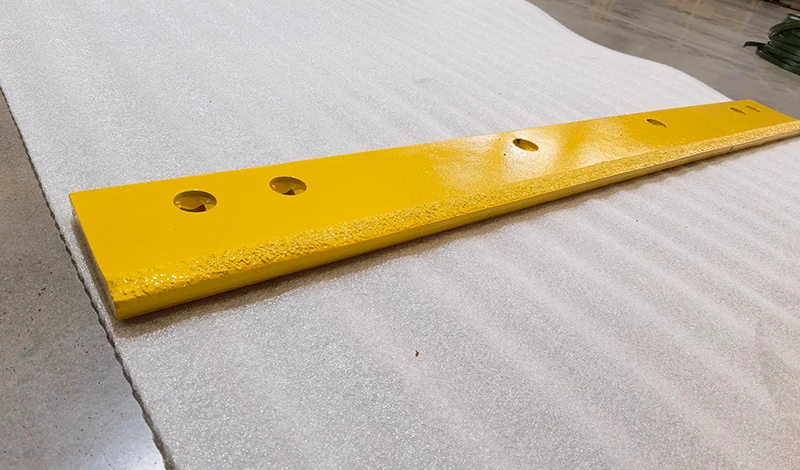
Require documented approval for both installed orientations. A symmetrical outline does not establish reversible function; compare the working features, fastening faces and equipment instructions in each position.
Distinguish symmetric outline from approved reversible function
Ask what reversible means in the supplier’s description: end-for-end, top-to-bottom or another defined change. These are different transformations. Show each proposed installed position with the mounting face, working edge and direction labels visible. A sales term without those views leaves the installer to interpret a functional claim from appearance.
The edge rotation programme guide covers the broader maintenance discussion. Here the decision is whether two specific orientations are approved at all. Do not use a symmetric outline or equal end offsets as the only evidence, and do not assume that rotating a worn part is permitted simply because a new part could be mounted either way.
Compare insert direction, hole offset, head seats and wear-limit instructions
Compare insert orientation, hole-row offset, head seats and any bevel or other working geometry between the two views. Identify which features remain equivalent and which change position. If the design includes different faces or edges, ask the drawing owner to explain their permitted use instead of interpreting the drawing visually.
Find the relevant installation and wear instructions through the model-specific documents. Follow the requirements that apply to the actual edge-and-equipment combination. A supplier’s reversible design claim cannot override the machine’s restrictions. If instructions cover only one orientation, seek clarification rather than filling the gap with an informal workshop practice.
Request the two permitted installation views and retain orientation marking
Request a controlled approval record showing the two permitted arrangements and their identifying marks. Include any inspection or wear-condition requirements supplied by the responsible authority. Do not invent a rotation interval or residual-height threshold from this discussion. The approval should tell the next installer exactly which configuration is permitted and which document controls the decision to rotate or replace.
For a carbide edge quotation, distinguish a reversible new-part design from a promise of doubled service life. Those are separate claims, and the latter needs appropriate performance evidence. Receiving inspection can verify the features that identify the approved orientations; service decisions still depend on condition and equipment instructions. Keep orientation markings on the part or its traceable installation record so the meaning is not lost when the packaging is removed.
Primary references support the specific points linked above; equipment documentation applies to its stated models.


