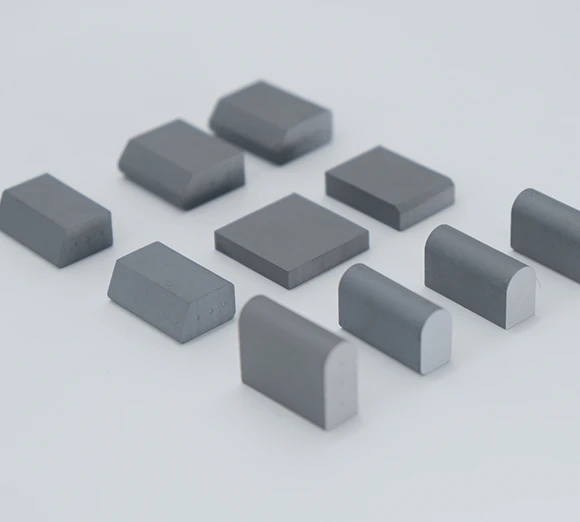
A generic material-family description does not establish the specific grade required by the repeat order. Ask for the missing controlled material and lot references, then compare the evidence with the original requirement. Keep equivalence unresolved until the documentation or authorized technical disposition supports it.
Match the certificate to the exact ordered material specification
Retrieve the actual repeat-order basis: drawing revision, material specification, approved grade and any agreed alternatives. Do not rely solely on an old invoice description if a more detailed technical record controls the purchase. Identify whether the supplier was asked to reproduce a particular material or to meet a defined set of requirements under an allowed alternative.
Compare the new certificate with that basis. Record which requirement is missing and whether the document refers to the delivered lot. A generic certificate may be incomplete for this order without proving that the physical inserts are wrong. Keep the documentary gap separate from a confirmed material discrepancy until the supplier or laboratory resolves it.
The insert tender-specification guide covers the broader ordering framework. This question is limited to an incomplete repeat-order certificate and how to restore the link to the already approved material requirement.
Ask for the missing grade and lot references
Ask the issuer to identify the grade and applicable specification revision, together with the production-lot reference. If the supplier uses a different commercial code, request the controlled explanation connecting it to the ordered requirement. Do not accept “same as last time” as a replacement for that connection when the acceptance record needs a specific identity.
CERATIZIT's cemented-carbide reference illustrates that the material family includes varied combinations. It does not identify the grade in this delivery. Keep any general brochure as background and ask for the actual declaration or test evidence required by the purchase agreement. A supplier's familiar product photograph cannot close the missing grade reference.
Where an amended certificate is issued, retain the original and the issuer's revision history. If a prior lot report is offered, clarify whether it is qualification evidence or evidence for this delivery. Do not combine documents from different lots into an apparently complete current certificate without a supported relationship.
Hold material equivalence unresolved rather than accepting the generic material family
Have the responsible reviewer decide whether the added documentation establishes conformance, whether further evidence is needed or whether a proposed substitute needs approval. If the supplier cannot identify the material, keep the stock distinct from approved issue material while disposition is considered. A dimensional fit check does not resolve the missing grade identity.
Historical Clear Roads research is useful background for separating material requirements from other acceptance subjects. It should not be used to invent a replacement grade definition or universal test limit after the fact. The existing order and authorized clarification are the basis for the current decision, with improved documentation requirements added transparently for future purchases.
When ordering carbide inserts again, include the accepted material identity and the required certificate fields in the repeat-order pack. Close the present gap with a traceable issuer correction or an explicit engineering disposition. The record should explain why the material was accepted, rather than relying on a generic family name that cannot distinguish the approved grade from other possible materials.
Sources and further reading. The ordered specification and applicable equipment documentation control acceptance and service decisions.
CERATIZIT Cemented Carbide ↗Clear Roads 17-02: Standard Specifications for Plow Blades with Carbide Inserts (historical research; not a universal specification) ↗


