A visual inspection can report the accessible conditions it actually examined. It should not claim complete hidden bonding solely from a neat exterior. Compare the report with the agreed joint requirements and ask a qualified specialist what additional verification, if any, is needed to support the required acceptance conclusion.
State what accessible surfaces a visual check can reveal
Identify which surfaces were accessible, how the inspection was performed and what criteria were used. A report saying “visual pass” should make its scope understandable. Ask whether it describes each insert, selected positions or a sample of assemblies. Do not transform a general appearance statement into a claim that every joint region was examined.
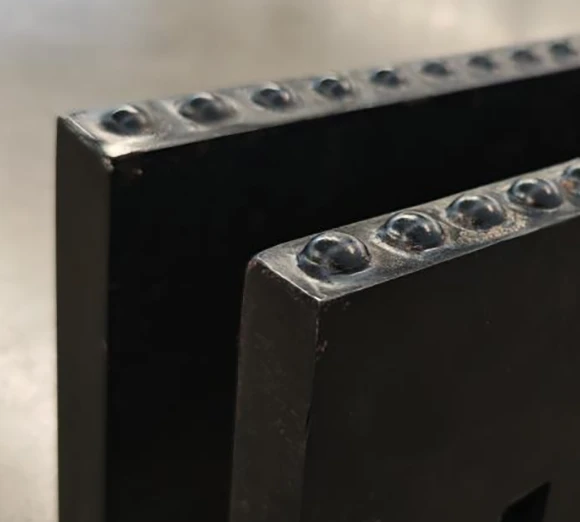
Record any visible discontinuity, missing material or other feature under the agreed terminology, with its position and inspector's finding. A satisfactory-looking fillet is useful evidence about the exterior condition inspected. It is not an image of the entire concealed interface, so the conclusion should remain within what the examination can observe.
The in-process inspection guide covers the wider quality-control sequence. This question concerns the wording and evidential scope of the final visual report, rather than assuming that one neat surface replaces the whole agreed verification plan.
Identify hidden joint regions and the agreed additional verification
Retrieve the joint acceptance requirement and identify how it is intended to be verified. If the order calls for additional evidence, ask for that evidence rather than accepting the visual report as a substitute. If the requirement says “fully bonded” without a defined verification basis, have the technical authority clarify what measurable acceptance statement is intended.
CERATIZIT's joining reference is relevant technical background for specialist review. It does not provide a universal inspection method that can prove every hidden area satisfactory on every blade. The choice and limits of any further examination should be established by qualified personnel for the actual geometry and requirement.
Keep process-qualification evidence, production records and delivery inspection distinct. Each can contribute to acceptance, but one should not silently be relabelled as another. A test on a representative specimen may support a defined decision without proving that every untested joint has been individually examined.
Use qualified methods and acceptance criteria rather than a cosmetic pass as proof of full bonding
Ask the reviewer to specify the method, coverage, sampling basis and acceptance criteria needed for any additional verification. Do not demand a particular technique simply because it is called non-destructive or appears more advanced. The method must be appropriate to the joint and the question, with limitations recorded in the report.
Historical Clear Roads research provides a specification framework, not a blanket requirement that every assembly undergo a particular test or meet borrowed numerical limits. The ordered specification remains the starting point. If the existing agreement is inadequate, resolve the current disposition and improve future requirements transparently rather than inventing a retrospective guarantee.
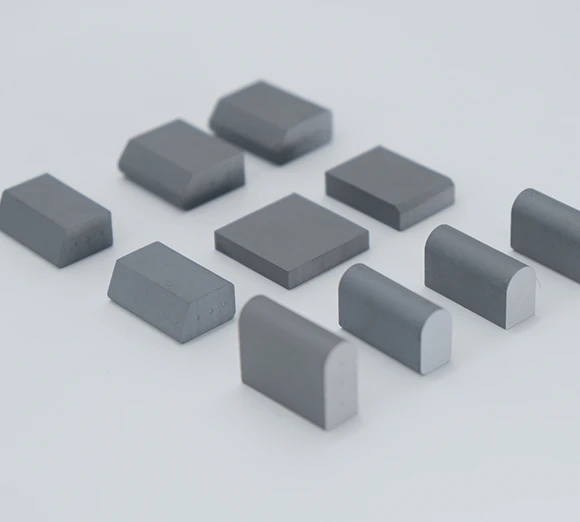
When purchasing carbide inserts or assembled edges, ask for conclusions that accurately describe the evidence. “Accessible joints visually inspected to the agreed criteria” and “additional verification completed under the approved plan” are clearer than an unsupported statement that appearance proves full bonding. Close the review with the actual coverage and authorized release decision, including any unresolved limitation.
Sources and further reading. The ordered specification and applicable equipment documentation control acceptance and service decisions.
CERATIZIT Joining Techniques ↗Clear Roads 17-02: Standard Specifications for Plow Blades with Carbide Inserts (historical research; not a universal specification) ↗