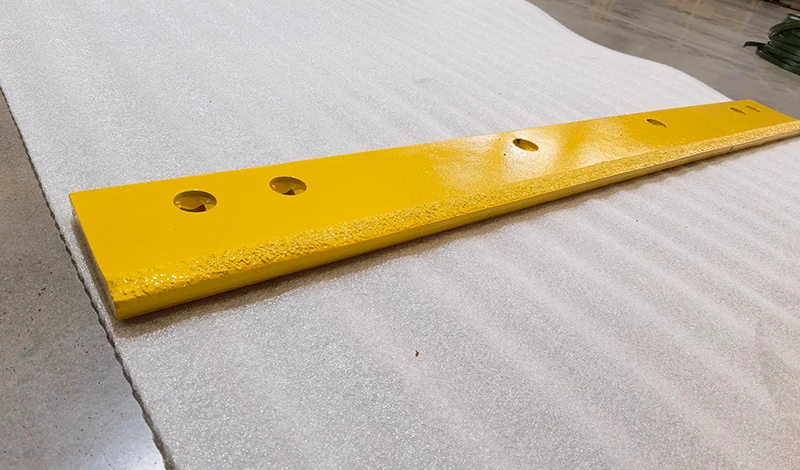
Only copy a slot dimension when it is established as an approved design feature. Wear elongation is not a design specification. Confirm whether the original holes were slotted, then recover the intended location, direction and seat details from authoritative information.
Separate designed slots from wear elongation using original documentation
Describe each opening without deciding its origin. Note whether the elongation is consistent across the pattern, whether edges appear damaged and whether any original reference remains visible. These observations can guide review, but they do not prove that the current outline was manufactured that way. Keep the sample’s condition photographs with its part identity.
Look for an original drawing or model-specific part reference through the equipment document library. The replacement measurement guide can help organize the wider pattern. Here the critical question comes before measuring slot length: is a slot part of the intended design at all? If that cannot be established, mark slot geometry unresolved in the enquiry.
Record slot direction, centre location and seating interface without inferring design from damage
Where a designed slot is confirmed, show its direction, centre location, width, end form and relationship to the seating face according to the approved drawing. Do not describe it only with an overall length. The mating hardware and any washer or clamp arrangement need to correspond to that design. A slot that admits the bolt is not automatically an acceptable load-carrying interface.
Compare intact design information with sample measurements in separate fields. If one end of a slot is worn away, preserve the remaining observation but do not invent its original boundary. Ask the responsible engineer which missing dimensions need inspection, another reference part or reconstruction. Any reconstruction should be identified as such before it becomes a proposed manufacturing drawing.
Escalate missing dimensions for engineering approval rather than enlarging slots to fit
Request a replacement specification that distinguishes confirmed features from inferred ones. The supplier should not lengthen slots to absorb a mounting mismatch, and the installer should not enlarge them to make an unapproved blade fit. Resolve the underlying pattern or assembly discrepancy first. No universal slot allowance can be supplied from the sample’s visible wear.
For a carbide blade proposal, include the approved slot detail and hardware interface in the quotation reference. Keep the old sample available until the review is complete, because its wear pattern may raise a separate maintenance question. Acceptance should be against the approved new geometry, not against the damaged outline. That preserves a clear boundary between replacing the edge and diagnosing why the previous holes changed shape.
Primary references support the specific points linked above; equipment documentation applies to its stated models.


